Two universities tell students to apply for benefits before hardship cash
Why it hits youFor most full-time students this rule changes nothing, because they can't claim Universal Credit anyway. It matters most for student parents, disabled students and students living with a partner who can claim. For them, it's an extra step before emergency cash comes through. Hardship grants can be big: at the University of Sussex the average award is now £1,539.
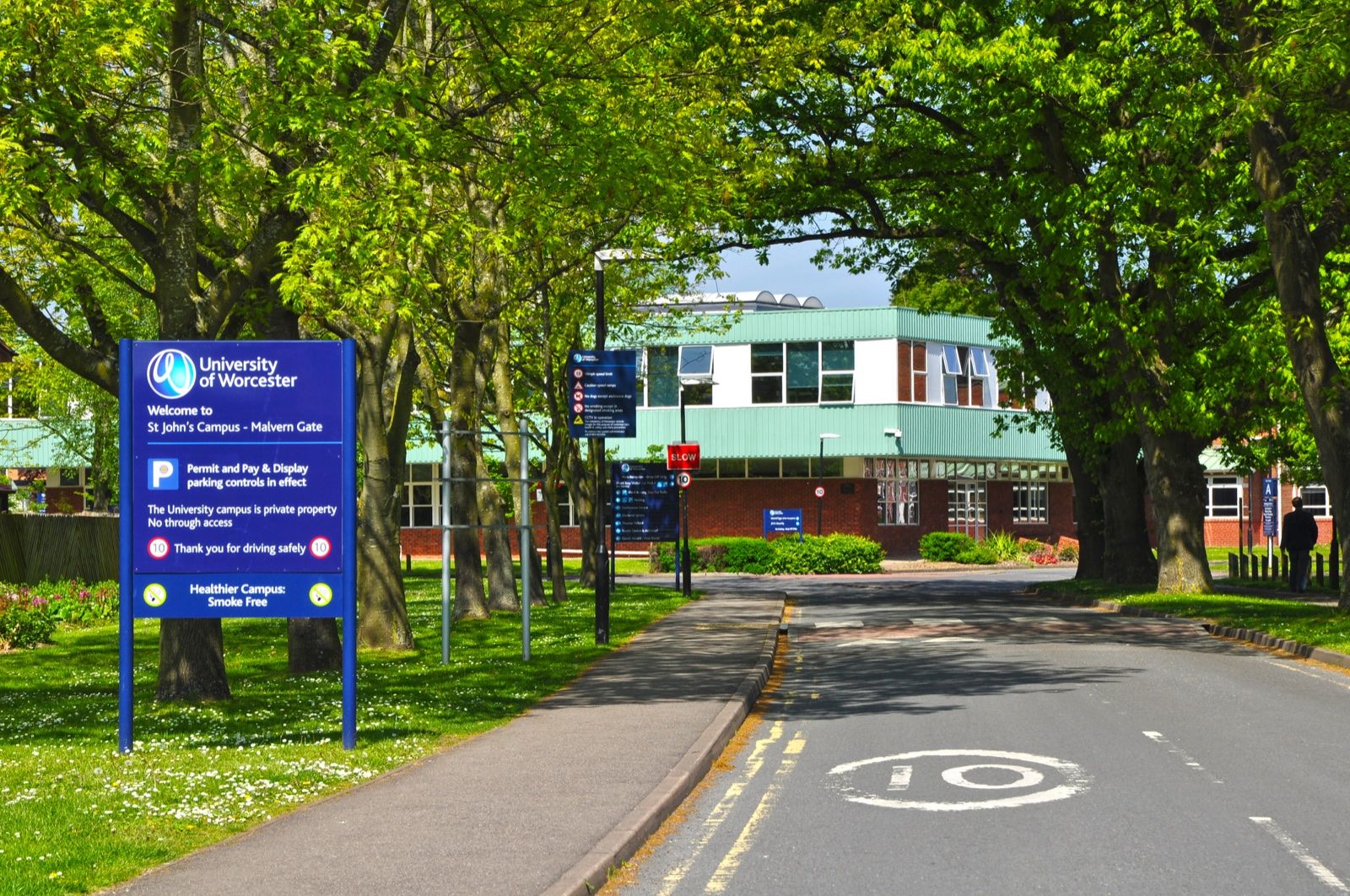
Hardship funds are emergency grants universities give students who run out of money. The Telegraph found two universities, SOAS in London and the University of Worcester, whose rules say you must first apply for any benefits you're entitled to. The Conservatives say that pushes students towards welfare before they've even graduated. Both universities say they just want students to get every bit of help they can, and point out that most of the students it affects are parents or mature students.
The Facts
What everyone agrees on
Before anyone spins it. Every one of these is checkable.
-
The University of Worcester's hardship fund, called the Access to Learning Fund, says students “must have applied for all the financial support to which they are entitled”, including “any Welfare Benefits or Universal Credit that they (or their partner) are entitled to”. University of Worcester ↗
-
SOAS University of London's Access to Learning Fund guidance said students must have “applied for all statutory funding you’re eligible for e.g. state benefits”, according to the Telegraph. The Telegraph ↗
-
Most university hardship funds ask students to show they've taken their full student finance. Hardship funds at the universities of Birmingham, Bristol and Edinburgh don't say students must first apply for state benefits. The Telegraph ↗
-
You can't usually get Universal Credit while studying full-time. Exceptions include being responsible for a child, living with a partner who's eligible, or being disabled, getting a disability benefit and assessed as having limited capability for work before your course. GOV.UK (DWP) ↗
-
Each university decides who gets hardship money and how much. You won't usually have to pay it back, and it won't usually count as income for benefits unless it's for day-to-day living costs. GOV.UK ↗
-
SOAS's hardship fund page says home undergraduates must have taken out their full Maintenance Loan before applying. SOAS University of London ↗
-
Once a full-time course ends you no longer count as a student for benefits, and can usually claim from the day after your course ends. It's usually at least five weeks from claiming Universal Credit to the first payment. Child Poverty Action Group ↗
-
In September the Telegraph reported that King's College London, the University of Stirling and Loughborough University were advising students they could claim Universal Credit from the day after their course ends. London Loves Business ↗
Every Side · 1 of 3
The Conservatives
“Encouraging students on to the welfare state before they have even graduated”
Saqib Bhatti, the shadow education minister, said: “Requiring students to apply for benefits before receiving university hardship funding will bed in dependence on the taxpayer and make it harder for students to get the support they need from their places of study.” He added: “At a time when we are facing a growing Neets crisis, it is appalling that universities appear to be encouraging students on to the welfare state before they have even graduated.” In September, after the Telegraph found universities telling graduates to claim Universal Credit from the day their course ends, shadow education secretary Laura Trott called it “madness” and said: “Universities should set young people up for the world of work, not fast-track people to a life on benefits.”
- Saqib Bhatti, shadow education minister
- Laura Trott, shadow education secretary
Side labels are our editorial calls for now. How we'll rate lean
Every Side · 2 of 3
What it means for you
Most full-time students can't claim benefits, so check which group you're in
The government's own guidance says: “You cannot usually get Universal Credit if you’re studying full-time.” The main exceptions are if you're responsible for a child, live with a partner who can claim, or are disabled, getting a disability benefit like PIP and were assessed as having “limited capability for work” before your course started. If none of those apply, a “claim your benefits first” rule shouldn't stop you. Hardship funds usually don't need paying back, and each university sets its own rules, so ask your student services or students' union advice team. Hardship money from your university isn't usually counted as income for benefits unless it's for day-to-day living costs. When your course finishes you stop counting as a student and can claim like anyone else, but the charity Child Poverty Action Group warns it's “usually at least five weeks from claiming UC to being paid”.
- GOV.UK (DWP)
- GOV.UK student finance
- Child Poverty Action Group
Side labels are our editorial calls for now. How we'll rate lean
Every Side · 3 of 3
The universities
“We want to ensure that people who are eligible for benefits are actually receiving them”
A University of Worcester spokesman said its students “are predominantly drawn from a socio-economically disadvantaged group of people” and it has “an unusually high number of mature students and students who have children”. He said: “This means that we want to ensure that people who are eligible for benefits are actually receiving them, for example, ensuring students who have children know they are entitled to child benefit.” SOAS said: “We do not expect or ask applicants to apply for any specific funding before applying for the Hardship Fund, but as part of the application process, students receive advice on their finances and are signposted towards any other funding they may be eligible for.” It said this “ensures students access the right financial support and the Hardship Funds reach those who need it most.” In September, King's College London said it offers benefits advice to “a small number of our students who do not have savings or alternative means of support”, calling it “our duty of care”.
- University of Worcester
- SOAS University of London
- King's College London
Side labels are our editorial calls for now. How we'll rate lean
The Blindspot · what the headlines skip
Critics skip who this actually affects
Most full-time students can't claim Universal Credit at all. The rule mainly touches student parents, disabled students and people living with a partner who can claim. Worcester says many of its students are mature students or parents.
The Blindspot · what the headlines skip
SOAS's statement and its written rule don't match
SOAS says it doesn't ask applicants to apply for any specific funding first. But the guidance the Telegraph quoted said applicants must have applied for all statutory funding, giving “state benefits” as an example.
The Blindspot · what the headlines skip
Nobody mentions how stretched hardship funds are
At Sussex, hardship grants handed out were up 25% on the year before. Researchers say maintenance loans often don't cover rent, leaving some students with “little or no money” for anything else. Rules like these are partly about making limited funds go further.
Your Call
- The Conservatives: not yet
- What it means for you: not yet
- The universities: not yet
Only you can see this. It's saved on this device and never sent anywhere.
Receipts
Every source, one tap away
Don't take our word for it. This is everything the breakdown is built on.
By No Glaze News · published