Passport, bank or face scan? How you'll have to prove you're 16 to use social media
Why it hits youIf you're 16 or 17, you're the age group the checks are hardest on: a face scan can be a few years out, and about 150,000 of you have no passport or driving licence. If you're under 16, this is how the ban will try to stop you. And adults may be asked to prove their age too.
The regulator Ofcom has set out how the under-16 social media ban could be checked: photo ID, digital ID, a bank check or a face scan. It says the checks can work, but admits some under-16s will get round them. Critics say it means everyone, adults included, handing over ID to get online.
The Facts
What everyone agrees on
Before anyone spins it. Every one of these is checkable.
-
On 29 October Ofcom published its assessment of how social media firms could check whether someone is 16 or over. The government asked for it before setting the detailed rules for the ban. Ofcom ↗
-
Ofcom says four methods can be “highly effective” at 16: photo ID matching, digital ID services, banking checks and facial age estimation. At 18 there are seven, because some options are only open to adults. Ofcom ↗
-
About 94% of people aged 16 and over have a passport or driving licence, but an estimated 150,000 16 and 17-year-olds have neither. About 90% of 16 and 17-year-olds have a bank account. Ofcom ↗
-
Some face-scan technology can be a few years out at 16, so Ofcom says platforms should use a “challenge age”, like the Challenge 25 rule in shops, and do a second check on anyone close to the line. Ofcom ↗
-
Because photo ID is part of most checks, 16 and 17-year-olds without one “would likely need to take steps to obtain one”. Free PASS-approved ID cards are available to 16 and 17-year-olds. Ofcom ↗
-
Many adults are also likely to be asked to prove their age, unless a platform already holds reliable information that they are old enough. Ofcom ↗
-
Ofcom says “the risk of circumvention cannot be entirely eliminated”. It will publish research on how children get round the ban within a year of it starting. Ofcom ↗
-
The government plans to publish its first rules for the ban before the end of 2026. Ofcom will then consult on guidance for platforms, and the ban comes into force in 2027. Ofcom ↗
-
Andy Burnham became Prime Minister on 20 July 2026 and is pressing ahead with the ban announced under Keir Starmer. GOV.UK and Radio News Hub ↗
-
In Australia, where under-16s were banned from December 2025, the regulator found more than 81% of under-16s were still using at least one banned platform three months later, down from about 86% before. Al Jazeera ↗
Every Side · 1 of 3
The regulator and government's case
“It can work if social media firms do highly effective age checks properly”
Ofcom says four kinds of check are good enough to tell if someone is 16 or over, and that they can be done in a way that protects privacy. Its boss, Dame Melanie Dawes, admits some children will get round them, comparing it to underage drinking: the law doesn't stop all of it, but it still matters. The government says it will use Australia's model but with tougher age checks, to learn from the problems there. Prime Minister Andy Burnham is going ahead with the ban his predecessor Keir Starmer announced in June.
- Dame Melanie Dawes, Ofcom chief executive
- The UK government
- Andrew Leigh, Australian minister (“We never expected that this would have 100 percent compliance”)
Side labels are our editorial calls for now. How we'll rate lean
Every Side · 2 of 3
The privacy and rights critics
“A national ID system by the back door”
Big Brother Watch says the checks mean adults and children alike handing over passports just to get online, and that people without ID, who “tend to be poorer people”, will be locked out. Its director Silkie Carlo called the plan “authoritarian madness”. Defend Digital Me says face scans are the cheapest option for platforms, so they are the most likely to be used, and that children are being taught to obey a camera that tells them to smile or turn their head. It wants children asked what they think before the rules are written.
- Silkie Carlo, Big Brother Watch
- Jen Persson, Defend Digital Me
Side labels are our editorial calls for now. How we'll rate lean
Every Side · 3 of 3
The campaigners who want a ban that works
“We should expect the same dismal results we've seen in Australia”
The Molly Rose Foundation backs protecting children online but doubts Ofcom can deliver. Its chief executive Andy Burrows said the regulator had admitted only last week that it had failed to cut children's exposure to harmful content. He wants the Prime Minister to make platforms safe by design, with the ban as a starting point rather than the whole plan. In Australia, a government survey three months in found more than eight in 10 under-16s were still using banned platforms.
- Andy Burrows, Molly Rose Foundation
- eSafety Commissioner (Australia), via Al Jazeera
Side labels are our editorial calls for now. How we'll rate lean
The Blindspot · what the headlines skip
App stores are where most of you get online, and they're not covered
In a second report today, Ofcom found three in four children online say apps from an app store are their main way on to the internet. Every app store it looked at just asks you to type in your age. App stores aren't covered by the Online Safety Act, so the ban leaves Apple and Google's front door unchecked for now.
The Blindspot · what the headlines skip
Support for the ban depends on how it's done
A poll cited by Defend Digital Me found 69% of adults back an under-16 ban, but that falls to 50% if everyone has to upload ID or a credit card. Supporters rarely mention that the price of the ban is age checks for adults too.
The Blindspot · what the headlines skip
Critics talk less about why Australia's ban leaked
Australia only required “reasonable steps”, and its regulator blamed platforms' “failure to implement effective age assurance” for under-16s keeping their accounts. The UK is setting a tougher test, “highly effective” checks, so Australia's early numbers aren't a sure guide to what happens here.
The Blindspot · what the headlines skip
We still don't have the final list of apps
LBC reports the ban will cover ten of the biggest platforms, including Instagram, Snapchat, TikTok and Facebook. The government hasn't published the full list yet. That comes with the rules, due by the end of the year.
Your Call
- The regulator and government's case: not yet
- The privacy and rights critics: not yet
- The campaigners who want a ban that works: not yet
Only you can see this. It's saved on this device and never sent anywhere.
Receipts
Every source, one tap away
Don't take our word for it. This is everything the breakdown is built on.
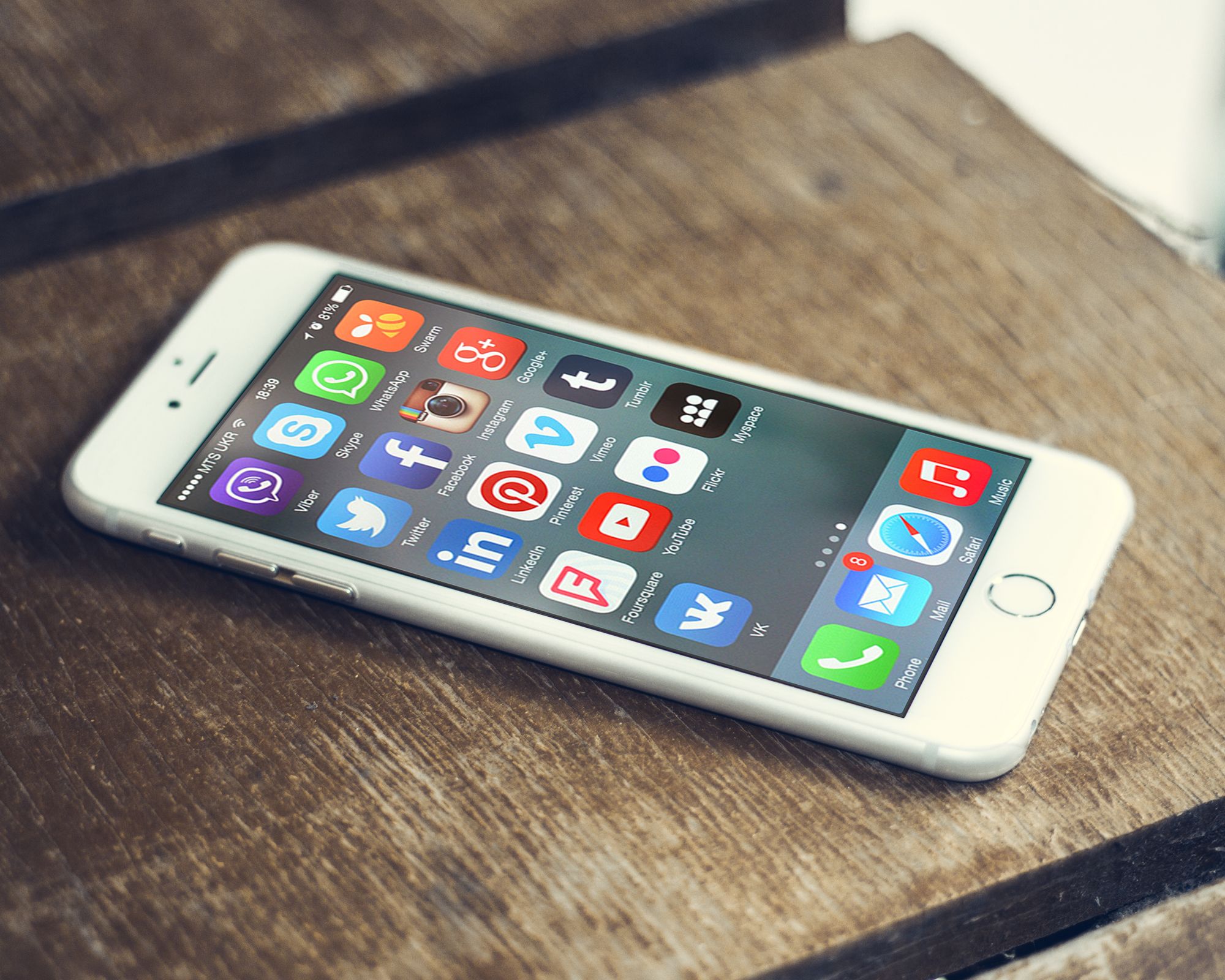
Hero image: File photo: mikemacmarketing / Wikimedia Commons, CC BY 2.0 · Social media apps on a smartphone, July 2017 ↗
By No Glaze News · published
Next story America votes on Tuesday. Why the midterms matter, even if you're not American