Minister says smart glasses “should not be anywhere near our schools”
Why it hits youSchools are locking phones away, but a pair of glasses with a camera can record, take photos and play audio without anyone noticing. That matters for anyone who could be filmed in a classroom or changing room without knowing. It also matters for exams, where Ofqual says phones and smart devices have been the most common kind of student cheating every summer since 2018. And some blind and partially sighted people use the same glasses to read text and find their way around, so how the rules treat them is a real question.
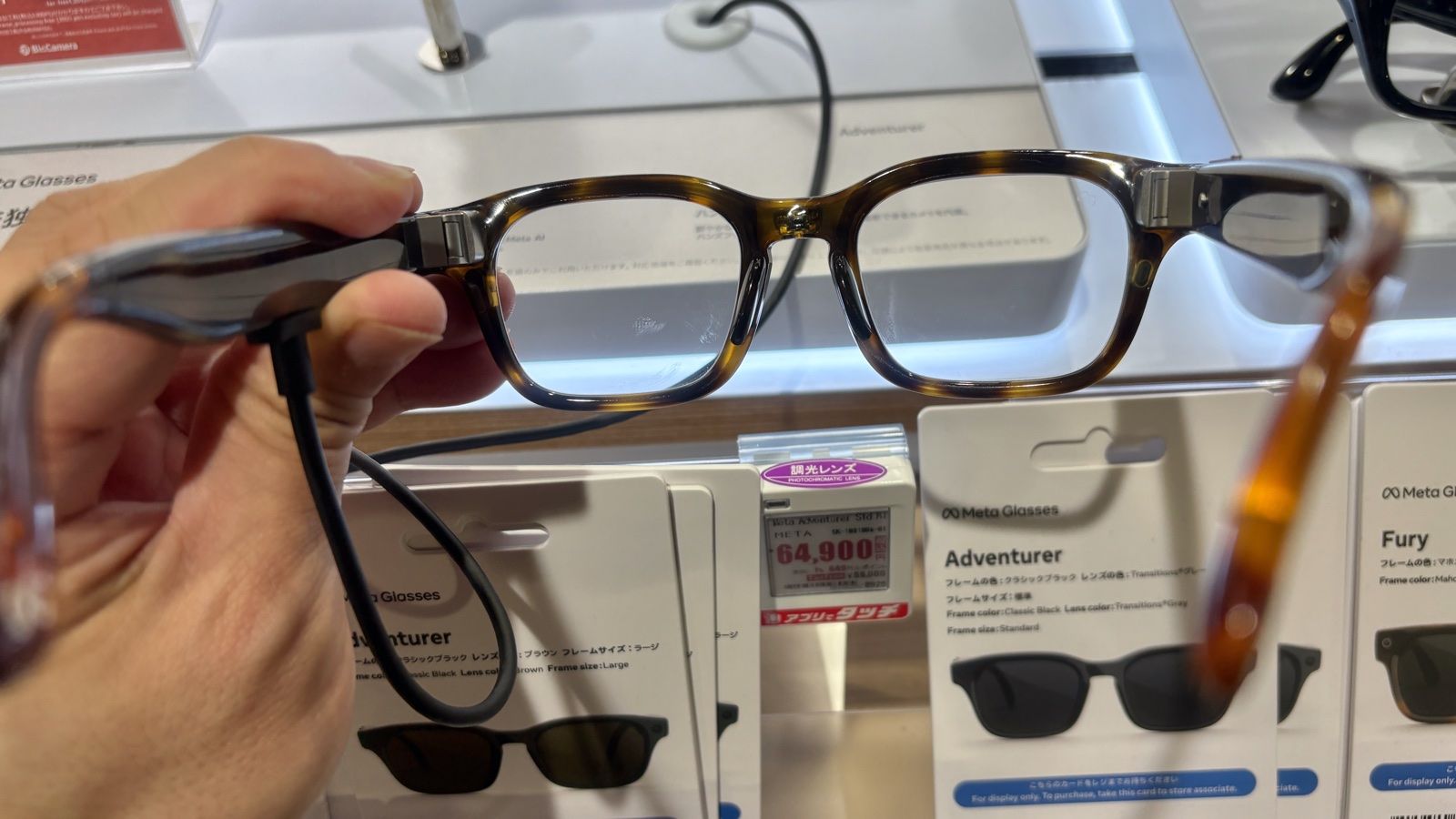
Smart glasses look like normal glasses, but some have a camera and microphone built in. On Tuesday, education minister Josh MacAlister told MPs he will make the rules for schools in England clearer, so that it is “absolutely clear” smart glasses “should not be anywhere near our schools”. He also said the rules are “clear already”. It came in the same statement where he said phones must be out of reach all day from September 2027. No new wording or start date for smart glasses has been published yet.
The Facts
What everyone agrees on
Before anyone spins it. Every one of these is checkable.
-
On 10 November, education minister Josh MacAlister told MPs he was “determined and prepared to further clarify guidance, particularly in relation to smart glasses”. He was answering a question from Labour MP Cat Smith. Hansard via TheyWorkForYou ↗
-
In the same statement, he said strengthened guidance on phones, so pupils can't keep them in a bag or blazer, will come into effect from September 2027. He gave no date for the smart glasses wording. Hansard via TheyWorkForYou ↗
-
Current statutory guidance for schools in England already says phone policies should ban “other smart technology with similar functionality to mobile phones”, such as the ability to record audio or video, throughout the school day. GOV.UK ↗
-
In September, the Department for Education said camera-equipped smart glasses “present safeguarding risks if used to record, share or manipulate images, audio, or video involving children”. Hansard written answer via TheyWorkForYou ↗
-
On 4 November, safeguarding minister Satvir Kaur said the government is looking into restricting smart glasses “in certain settings” and restricting their sale “to certain users”. She said the Department for Education and NHS England are looking into wearable tech. Smart glasses are already banned in courts and tribunals. Hansard via TheyWorkForYou ↗
-
Phone and smart device offences made up 2,225 malpractice cases in the summer 2025 GCSE and A-level exams, which was 44.3% of all student malpractice. Ofqual (GOV.UK) ↗
-
A parliamentary petition to ban the sale and promotion of smart glasses passed 10,000 signatures in October, which means the government has to respond to it. UK Parliament Petitions ↗
-
Other places have gone further. Victoria in Australia will ban smart glasses in all schools from the start of 2027, with exemptions only for people with disability when no other adjustment can be made. Premier of Victoria ↗
Every Side · 1 of 3
The government and its backers
Smart glasses “should not be anywhere near our schools”
Labour MP Cat Smith asked the minister about new tech, saying “AI glasses and smartwatches” are “also in the mix”. Josh MacAlister replied: “I am determined and prepared to further clarify guidance, particularly in relation to smart glasses, so that it is absolutely clear—it is clear already—that they should not be anywhere near our schools.” Labour MP Sarah Russell went further, saying smart glasses “should be banned from all public buildings as a matter of urgency”. In a debate the week before, optometrist and independent MP Shockat Adam warned about school changing rooms: “It could be devastating to record a child—girl or boy—in their insecure period, upload the footage and threaten them with blackmail.” The chief exams regulator, Sir Ian Bauckham, has warned that smart glasses could “play text across the inside of the lens that only the student can see”. Some schools have already acted. Shrewsbury School says smart glasses “are not permitted on site for pupils, parents, visitors, or staff”.
- Josh MacAlister, education minister
- Sarah Russell, Labour MP
- Shockat Adam, independent MP
- Sir Ian Bauckham, Ofqual
- Shrewsbury School
Side labels are our editorial calls for now. How we'll rate lean
Every Side · 2 of 3
What it means for you
The rules may already cover your glasses. Clearer wording is on the way
This is guidance for schools in England, not a new criminal law. Schools already have to ban the use of phones and “other smart technology with similar functionality”, including things that can “record audio and/or video”, for the whole school day, breaks and lunch included. Camera glasses fit that description, which is why the minister said the position is “clear already”. If you break your school's rules, it can confiscate the device or give you a detention, and staff can search for items the school's rules ban. The minister didn't say when the new wording on smart glasses will come out, or exactly how glasses with prescription lenses will be treated. He did say schools will still be able to make “reasonable adjustments and exemptions” for pupils with medical needs or special educational needs and disabilities. In exams, getting caught with a phone or smart device can mean losing marks or being disqualified. Northern Ireland has its own rules, and its education minister says smart glasses already count as “other similar devices” there.
- Department for Education guidance
- Josh MacAlister, education minister
- Ofqual
- Paul Givan, Northern Ireland education minister
Side labels are our editorial calls for now. How we'll rate lean
Every Side · 3 of 3
Disability voices, Meta and the cautious
“I do not believe in a blanket ban, as it would punish the disabled people who benefit most”
That's Shockat Adam, speaking about smart glasses in general in last week's debate. He sells the glasses and said that for a blind person, being able to ask them what's in front of you “is genuinely life changing”. The RNIB sight loss charity says Ray-Ban Meta glasses “can read street signs, timetables” and describe what the camera sees. Safeguarding minister Satvir Kaur said “the benefits of smart glasses must be weighed against the harms that they can cause”. Conservative shadow minister Blake Stephenson asked for “proportionate, sensitive and sensible policies” and said any new laws “must be based on evidence”. Another minister, Ian Murray, has said people may lawfully use smart glasses in public spaces “in line with rights to freedom of expression”. Meta, which makes the best-selling glasses, told the US site Futurism: “Schools know their students best, and we respect their authority to set the rules for their learning environments, while also considering the needs of students with disabilities who may benefit from technology to participate”.
- Shockat Adam, independent MP
- RNIB
- Satvir Kaur, safeguarding minister
- Blake Stephenson, Conservatives
- Ian Murray, minister
- Meta
Side labels are our editorial calls for now. How we'll rate lean
The Blindspot · what the headlines skip
The “ban” headlines skip that the rules may already apply
The minister didn't announce a new ban. He promised to “clarify guidance”, and said the position is “clear already”. Current rules in England already cover smart tech that can record audio or video. Some news reports left out the “it is clear already” part of his answer.
The Blindspot · what the headlines skip
Critics skip how hard they are to spot
In the US, the tech site Futurism found many videos filmed inside schools on smart glasses, all filmed by teenage boys and mostly aimed at girls. In one, a student filmed himself putting his phone into a locked pouch while still wearing the camera on his face. A teacher who caught a pupil said: “These are way more discreet than I thought they would be”. Meta says its recording light can't be turned off, but Futurism says stickers and modified glasses can get around it.
The Blindspot · what the headlines skip
Supporters skip how messy exemptions can get
In Austria, a student was expelled for repeatedly wearing smart glasses to class. A court overturned it because he had a doctor's certificate saying he needed them for an attention disorder, and there was no proof he had recorded anything. The court said: “Mere discomfort does not justify expulsion from school.” England's government hasn't yet said how disability exemptions for smart glasses would work.
Your Call
- The government and its backers: not yet
- What it means for you: not yet
- Disability voices, Meta and the cautious: not yet
Only you can see this. It's saved on this device and never sent anywhere.
Receipts
Every source, one tap away
Don't take our word for it. This is everything the breakdown is built on.
By No Glaze News · published
Next story Milburn plan would end PIP and Universal Credit health top-up for under-25s