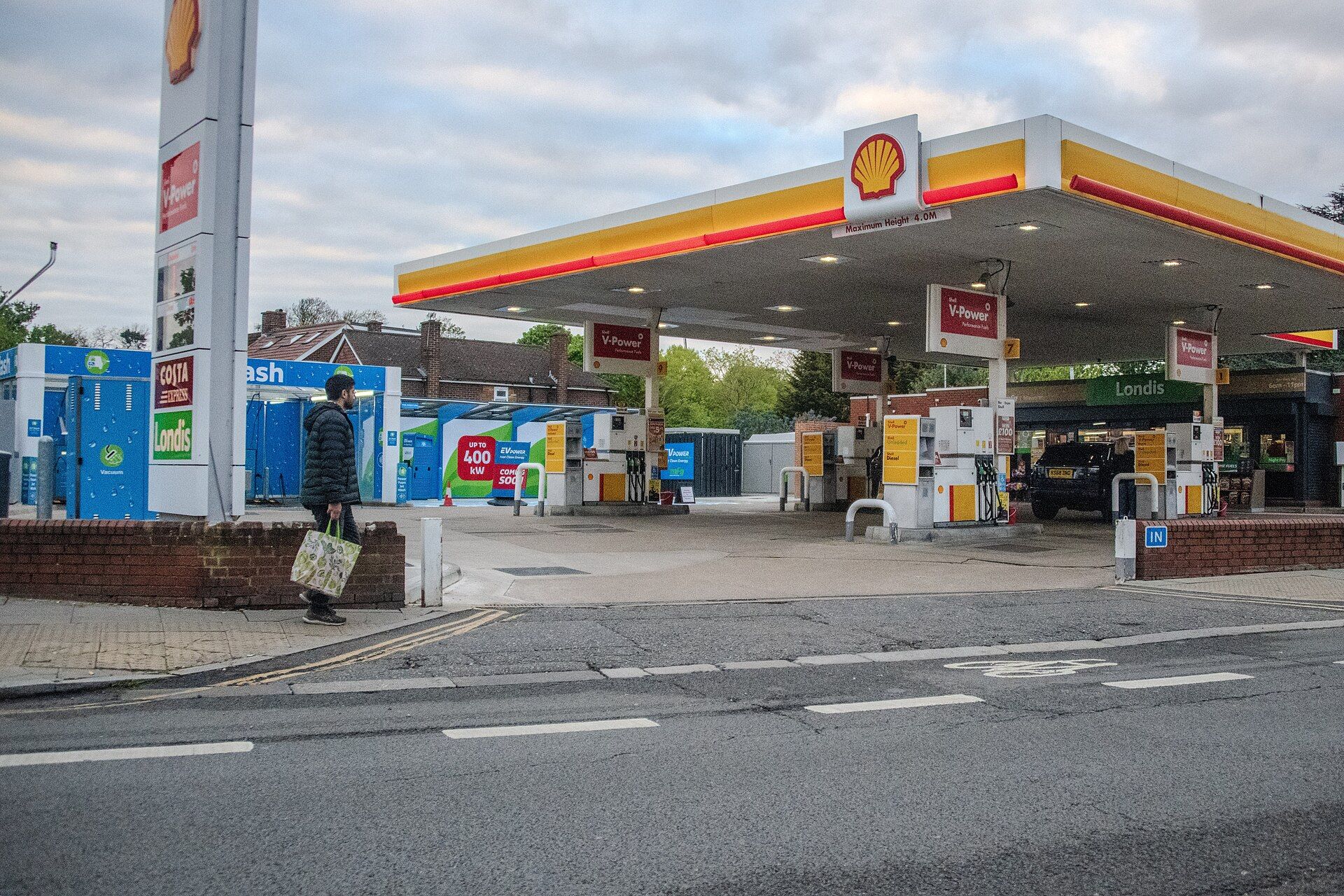
Shell's profits nearly doubled while your energy bills climbed. Should it pay more tax?
Why it hits youThe same price spike that boosted Shell's profits is pushing up what you pay for energy and travel: the typical household bill is forecast to rise 16% in January. The windfall tax debate is about who carries the cost of an energy shock: companies, shareholders or households.
Shell made $10.8 billion (about £8.1 billion) in three months, nearly double a year ago, as the Iran war pushed up oil and gas prices. It's handing $5 billion back to shareholders. The day before, the Budget left the windfall tax on oil and gas unchanged. Campaigners want more; the industry says it already pays plenty.
The Facts
What everyone agrees on
Before anyone spins it. Every one of these is checkable.
-
Shell made adjusted earnings of $10.8 billion between July and September 2026, up from $9.8 billion the quarter before. Shell results release ↗
-
That's up from $5.43 billion a year earlier. Its chemicals and products unit, which includes oil trading, made $3.86 billion, against $550 million a year ago. PA, via Lynn News ↗
-
Shell says the results came from strong operations and record refining margins during “continued severe disruption to the global energy system”, and announced a $5 billion share buyback over the next three months. Shell results release ↗
-
In the Budget, Chancellor John Healey chose not to increase windfall taxes on oil and gas firms. PA, via Lynn News ↗
-
The Energy Profits Levy ends on 1 April 2030, or earlier if prices fall below a set floor. The Budget confirms a permanent Oil and Gas Revenue Levy will replace it. HM Treasury, Budget 2026 ↗
-
The Energy Profits Levy raised £2.6 billion in 2025-26, down from £2.9 billion. All UK oil and gas taxes together raised £4.3 billion. HMRC ↗
-
The UK accounts for less than 5% of Shell's global oil and gas production, and the windfall tax only applies to UK extraction. Euronews ↗
-
Energy consultants Cornwall Insight forecast the price cap will rise 16% in January 2027, to £1,999 a year for a typical household. That forecast came before the Budget's energy help. Cornwall Insight ↗
Every Side · 1 of 3
The case for taxing the profits
“There is no version of these figures which look even remotely fair”
Campaigners say Shell is profiting from a war while households pay the price. The End Fuel Poverty Coalition said Shell “earns more in sixty seconds than most people in this country manage in twelve months”. Greenpeace said the government “must find its spine” and tax the companies more. The Green Party had urged the Chancellor to make the windfall tax permanent. Friends of the Earth says the government's decision on the Rosebank oil field will be “a defining climate test” for Andy Burnham.
- Simon Francis, End Fuel Poverty Coalition
- Philip Evans, Greenpeace UK
- Danny Gross, Friends of the Earth
- The Green Party
What do “left” and “right” mean?
They're shorthand for two broad sets of political views. People on the left tend to put more weight on equality and on government stepping in to fix problems. People on the right tend to put more weight on tradition, personal freedom and keeping government smaller. The centre sits in between, and most people mix views from all three.
Side labels are our editorial calls for now. How we'll rate lean
Every Side · 2 of 3
The case for the industry
Cut the tax and drill more at home
Shell says a “stable and predictable tax policy” is vital, that it pays tax at 39% worldwide, and that approving Rosebank would “generate tax revenues and support jobs”. The industry body Offshore Energies UK calls the windfall tax “damaging” and wants its replacement brought forward from 2030 to 2027, arguing that would unlock investment and raise about £15 billion more in tax. It says the UK spent £84 billion on energy imports last year. The Conservatives would scrap the windfall tax and end the ban on new oil and gas licences.
- Sinead Gorman, Shell finance chief
- David Whitehouse, Offshore Energies UK
- The Conservatives
Side labels are our editorial calls for now. How we'll rate lean
Every Side · 3 of 3
What the numbers say
A UK windfall tax only touches a sliver of Shell
The UK's windfall tax, the Energy Profits Levy, only applies to profits from oil and gas taken out of the UK, which is less than 5% of Shell's production. It raised £2.6 billion last year, down from £2.9 billion. Most of Shell's jump came from global gas prices and record profits from refining and trading. One analyst said the longer prices stay high, “the harder it will be” for oil firms to fight a bigger windfall tax.
- HMRC
- Euronews
- Dan Coatsworth, AJ Bell
Side labels are our editorial calls for now. How we'll rate lean
The Blindspot · what the headlines skip
Taxing Shell harder in the UK doesn't reach most of its profit
Campaigners point at Shell's global profit, but the UK can only tax what's earned from UK oil and gas, under 5% of Shell's production. A bigger windfall tax would hit North Sea producers far more than it hits Shell's worldwide trading and refining profits.
The Blindspot · what the headlines skip
The industry's “drill more” case skips the climate cost
Offshore Energies UK and the Conservatives talk about jobs, tax and energy security. They say less about the climate impact of new fields like Rosebank, which Friends of the Earth calls a “far bigger climate bomb” than the recently approved Jackdaw gas field.
The Blindspot · what the headlines skip
Buybacks mean the money goes to shareholders, not just bosses
The $5 billion buyback rewards whoever owns Shell shares. That can include big investment funds and pension funds that invest on behalf of ordinary workers. Critics and defenders rarely spell out who actually ends up with the money.
Your Call
- The case for taxing the profits: not yet
- The case for the industry: not yet
- What the numbers say: not yet
Only you can see this. It's saved on this device and never sent anywhere.
Receipts
Every source, one tap away
Don't take our word for it. This is everything the breakdown is built on.
By No Glaze News · published
Next story Passport, bank or face scan? How you'll have to prove you're 16 to use social media