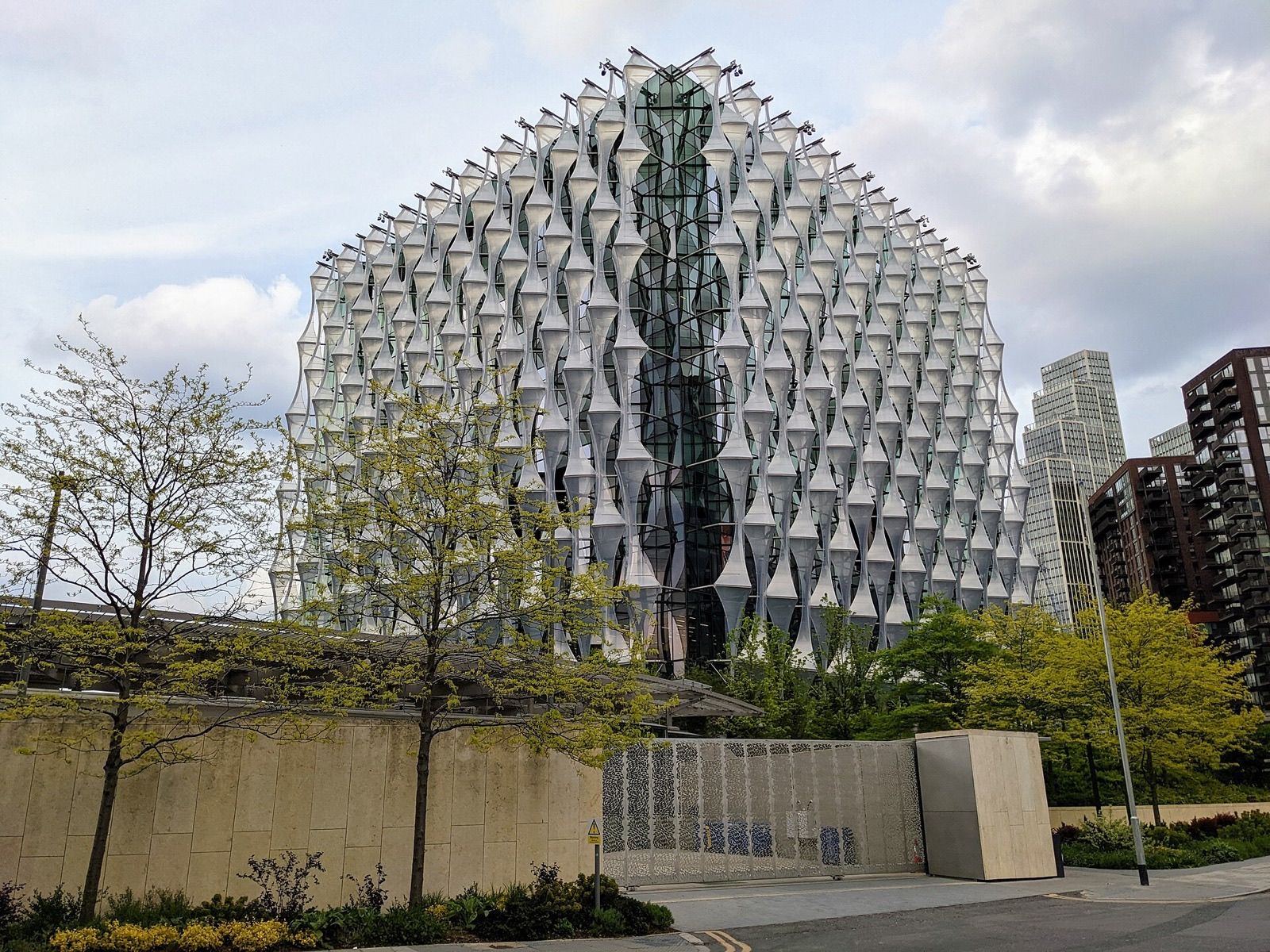
325 arrested at a Palestine Action protest. What the law says, and what's next
Why it hits youThis isn't about whether you can support Palestinians or criticise Israel. It's about one banned group. Under terror law, showing support for a banned group in public, including by posting an image online, can be a criminal offence. The Supreme Court's decision will settle whether this ban stays, and more than 2,000 people are waiting to find out what happens to their cases.
On Saturday, the Met Police arrested 325 people at a protest outside the US Embassy in London. 320 of them were arrested for showing support for Palestine Action, a group the government banned as a terrorist organisation in July 2025. Most were holding signs. This week the Supreme Court hears a challenge to that ban. The government says the group commits serious criminal damage and the ban is about security, not protest. Civil liberties groups say people holding cardboard signs are being treated as terrorists.
The Facts
What everyone agrees on
Before anyone spins it. Every one of these is checkable.
-
The Met said 325 people were arrested at the protest outside the US Embassy on Saturday 31 October, 320 of them for expressing support for a proscribed organisation under the Terrorism Act. LBC (PA) ↗
-
Palestine Action has been banned as a terrorist group since 5 July 2025. MPs approved the ban by 385 votes to 26. Middle East Eye ↗
-
Under section 13 of the Terrorism Act, wearing or displaying an item in public, or publishing an image of one, in a way that suggests you support a banned group can be an offence. The maximum penalty is six months in prison and/or a £5,000 fine. legislation.gov.uk ↗
-
Inviting support for a banned group, or recklessly expressing support for it, is a more serious offence under section 12, with a maximum of 14 years. GOV.UK ↗
-
Organisers say more than 4,000 people have been arrested since the ban began. About 2,500 have been charged, and their trials are on hold until the courts decide whether the ban is lawful. The Guardian (via AOL) ↗
-
The Court of Appeal ruled in June 2026 that the ban was lawful, overturning a High Court ruling from February. Liberty ↗
-
The Supreme Court hears the challenge to the ban on 4 and 5 November. The Guardian (via AOL) ↗
Every Side · 1 of 3
The government and police
This is about criminal damage, not protest
The government says Palestine Action “commits and participates in acts of terrorism”, pointing to attacks on defence companies' sites in Glasgow, Kent and Bristol. It says the Glasgow attack caused over £1m of damage. MPs backed the ban by 385 votes to 26. Before Saturday, the Met's Commander Adam Slonecki said people coming “know that supporting a proscribed organisation is unlawful – they are essentially meeting to purposefully commit a crime.” He added: “This is not about preventing people from expressing their views, but about acting robustly in cases where doing so involves criminality.”
- Home Office (GOV.UK)
- Metropolitan Police
Side labels are our editorial calls for now. How we'll rate lean
Every Side · 2 of 3
Protesters and civil liberties groups
“Protesters, not terrorists”
That's what some of Saturday's signs said; many others read “I oppose genocide, I support Palestine Action”. The organisers, Defend Our Juries, said: “It is truly dystopian that there have now been over 4,000 arrests under terror laws for peaceful vigils.” Amnesty International UK called the arrests “a disgraceful attack on freedom of speech” and said it's “past time for the Government to drop the proscription of Palestine Action”. Green Party leader Zack Polanski also called it “truly dystopian”.
- Defend Our Juries
- Amnesty International UK
- Green Party
Side labels are our editorial calls for now. How we'll rate lean
Every Side · 3 of 3
The courts
Unlawful, then lawful, now the final word
In February the High Court ruled the ban unlawful. In June the Court of Appeal overturned that, calling it “justified and proportionate”. The Lady Chief Justice said Palestine Action “overtly promotes unlawful violence amounting to terrorism”, but also that it “is supported by otherwise many law-abiding citizens”. The Supreme Court, the UK's highest court, hears the final appeal on Wednesday and Thursday. Its judgment will come later. Until then the ban stays, and trials of people charged with supporting the group are on hold.
- Court of Appeal
- Supreme Court
Side labels are our editorial calls for now. How we'll rate lean
The Blindspot · what the headlines skip
Supporters of the ban skip who's being arrested
Many of those arrested on Saturday were holding signs, not damaging anything. Even the Court of Appeal noted that many supporters are otherwise law-abiding.
The Blindspot · what the headlines skip
Critics skip why the group was banned
The ban wasn't about speech. The government points to attacks and serious damage at defence firms' sites, and the Court of Appeal agreed the group promotes unlawful violence.
The Blindspot · what the headlines skip
Posting counts too
Much of the coverage is about signs at protests, but the law also covers publishing an image online. That matters if you share protest pictures or slogans on social media.
Your Call
- The government and police: not yet
- Protesters and civil liberties groups: not yet
- The courts: not yet
Only you can see this. It's saved on this device and never sent anywhere.
Receipts
Every source, one tap away
Don't take our word for it. This is everything the breakdown is built on.
Hero image: File photo: The wub / Wikimedia Commons, CC BY-SA 4.0 · The US Embassy, London, April 2022 ↗
By No Glaze News · published