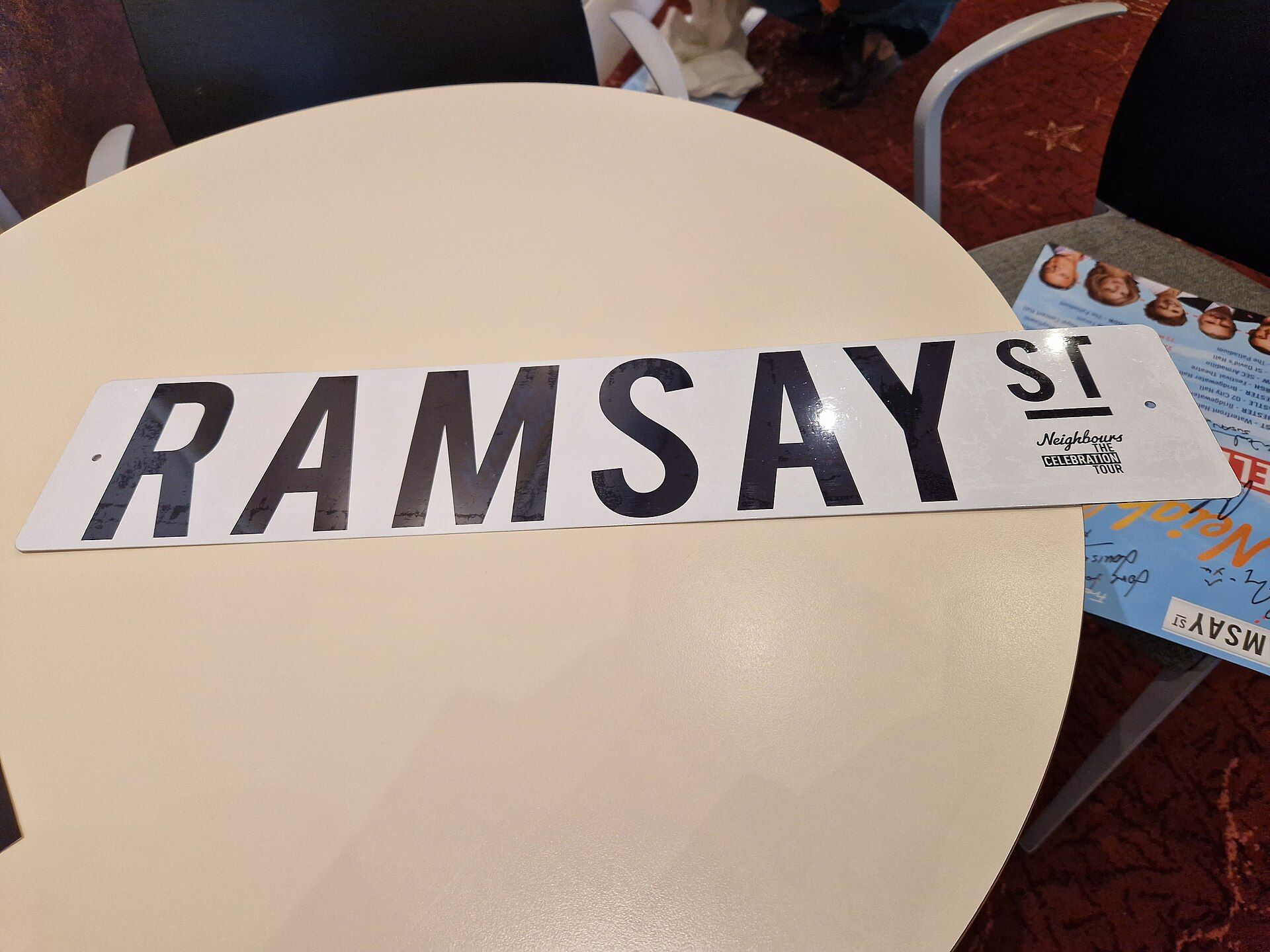
AI is recutting old Neighbours into TikTok-style mini-episodes. The actors say nobody asked them
Why it hits youMicro-dramas are built for the way you watch: one-minute episodes, phone held upright. This is also a test of a question that affects everyone who has ever been filmed: once your face is on camera, who gets to decide what's done with it?
Margot Robbie's years on the Aussie soap are being cut into vertical “micro-drama” episodes for phones, using an AI editing tool. The makers say no faces or voices are faked. Former cast members call it invasive and a “money grab”.
The Facts
What everyone agrees on
Before anyone spins it. Every one of these is checkable.
-
RoseBerry Media and Fremantle are turning old Neighbours episodes into vertical micro-episodes for RoseBerry's Epis platform, using an AI-assisted editing tool called RedSnapper. Guardian Australia ↗
-
It starts with two storylines featuring Margot Robbie's character Donna Freedman, whom she played from 2008 to 2011. Together they make about 150 minutes of content. Variety Australia ↗
-
A spokesperson said the tool “does not generate new scenes or performances, alter actors' faces or likenesses, or use synthetic voices”. Guardian Australia ↗
-
Guardian Australia understands any residuals will be paid to actors and writers under their existing agreements. No deal terms or launch date have been announced. Guardian Australia ↗
-
RoseBerry has similar deals with other big TV companies, including Banijay Rights, All3Media International, A+E Global Media and Cineflix Rights. Variety Australia ↗
-
Micro-dramas, usually made of episodes about a minute long, began in China. The Guardian puts the global market at up to $15bn last year. Guardian Australia ↗
-
Margot Robbie has not commented. The Guardian says it has contacted her. Guardian Australia ↗
Every Side · 1 of 3
The companies behind it
“Premium entertainment IP” for the vertical age
RoseBerry Media, which makes shows for phones, says Neighbours is “exactly the kind of premium entertainment IP” that can thrive in the vertical format. Fremantle, which makes Neighbours, says it will only use “original, previously broadcast footage, dialogue and performances”, and that the AI tool doesn't create new scenes, change faces or fake voices. It's an editing aid, with a human editor signing off each step. Old shows have been recut for phones before: Paramount put Mean Girls on TikTok in 23 parts in 2023.
- Guy Hameiri, RoseBerry Media
- Jens Richter, Fremantle
Side labels are our editorial calls for now. How we'll rate lean
Every Side · 2 of 3
The actors and their union
“Unbelievably invasive, morally and legally wrong”
Stefan Dennis, who has played Paul Robinson for decades, said it “appears we can't do anything about it”. Matthew Werkmeister, who played Zeke Kinski, found out from a reporter. He said he signed his first contract at 13, long before vertical streaming existed, and called the project a “money grab for Fremantle”. The Australian actors' union MEAA is helping the cast make sure their work isn't used “without their knowledge, consent or fair compensation”, and wants the government to change the law. It also says editors' skills risk being devalued.
- Stefan Dennis, actor
- Matthew Werkmeister, actor
- Adam Portelli, MEAA
Side labels are our editorial calls for now. How we'll rate lean
Every Side · 3 of 3
What the law says
In the UK, you don't own your face
English law has no standalone right to control how your name, image or voice is used commercially; people have to rely on a patchwork of other laws. The UK government has said it will look at a new “personality” right but hasn't consulted on it yet. In Australia, a senator has proposed a bill letting people sue over use of their face and voice. Even Hollywood's 2023 deal on AI, which needs actors' consent for digital replicas, leaves out normal editing and rearranging, which is close to what this tool does.
- Reed Smith (law firm)
- SAG-AFTRA contract, via TheWrap
- Senator David Pocock, via AAP
Side labels are our editorial calls for now. How we'll rate lean
The Blindspot · what the headlines skip
The critics' “AI” fears are bigger than what this tool does
Much of the anger is about AI taking actors' images. But according to the companies, nothing here is faked: it's real footage, cut shorter and reframed for phones. The sharper question is consent and pay for old work used in new ways, not deepfakes.
The Blindspot · what the headlines skip
The companies skip over the contracts problem
Actors signed contracts years ago, some as children, before AI tools or vertical streaming existed. “We own the footage” may be legally true and still leave performers with no say over a format nobody imagined when they agreed.
The Blindspot · what the headlines skip
The law hasn't caught up anywhere
UK law has no image right. Hollywood's AI rules exempt ordinary editing. Australia's proposed face-and-voice law hasn't passed. Whatever happens with Neighbours, it is likely to be settled by contracts and unions, not lawmakers, for now.
Your Call
- The companies behind it: not yet
- The actors and their union: not yet
- What the law says: not yet
Only you can see this. It's saved on this device and never sent anywhere.
Receipts
Every source, one tap away
Don't take our word for it. This is everything the breakdown is built on.
By No Glaze News · published
Next story Shell's profits nearly doubled while your energy bills climbed. Should it pay more tax?