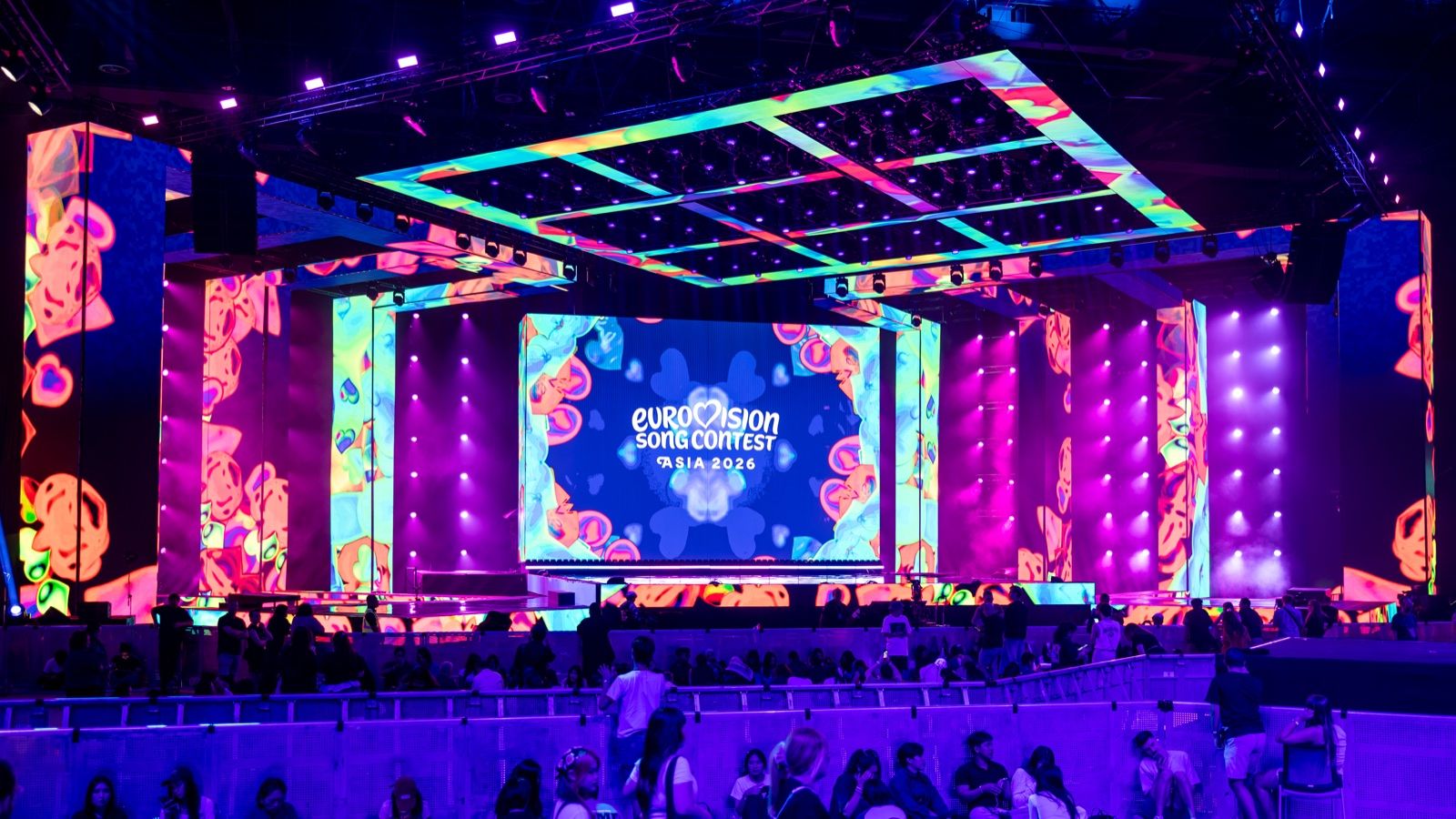
Eurovision ‘disappointed’ as Malaysian TV cuts LGBTQ+ stars from Asia final
Why it hits youEurovision has long been known for its camp style and LGBTQ+ representation. Now it is expanding into countries where same-sex relationships are illegal and LGBTQ+ content is restricted on TV. This row is the first big test of what happens when Eurovision's values clash with a country's laws, and 16 or 17 countries have already shown interest in competing next year.
The first Eurovision Song Contest Asia was held in Bangkok on Saturday, and the Philippines won. But in Malaysia, the TV channel TV3 appears to have edited out drag performers from the opening number and Vice Ganda, a gay, non-binary Filipino TV star who read out the Philippine jury's votes. Eurovision's organisers say they are “surprised and disappointed” and want answers. Malaysia has strict laws on LGBTQ+ content. TV3 has not yet explained what happened.
The Facts
What everyone agrees on
Before anyone spins it. Every one of these is checkable.
-
The first Eurovision Song Contest Asia final was held at One Bangkok Forum in Bangkok on 14 November, with 11 countries competing. The Guardian ↗
-
The Philippines' Carmelle won with 211 points, topping both the jury vote (93) and the public vote (118). Thailand came second and Vietnam third. The Independent ↗
-
Malaysia's Aina Abdul came fourth with her song Bluest Sky, on 152 points. Malay Mail (Bernama) ↗
-
On the international feed, Vice Ganda announced the Philippine jury's 12 points for Aina Abdul. TV3 viewers saw only the scoreboard. Drag performers in the opening number were replaced with a wide shot from rehearsals. The Guardian ↗
-
Eurovision says the changes appear to have happened only on the Malaysian broadcast. It is writing to Voxovation, which makes the show, to find out why. Eurovoix ↗
-
TV3 had not commented. The Guardian asked its owner, Media Prima, Malaysia's largest media group, for comment. The Guardian ↗
-
Same-sex sexual activity is a crime under Malaysia's Penal Code, with penalties of up to 20 years in prison and whipping. Attitude ↗
-
In 2018 the European Broadcasting Union ended its deal with China's Mango TV after it cut Ireland's and Albania's entries and blurred rainbow flags in the crowd. The Independent ↗
Every Side · 1 of 3
Eurovision organisers and LGBTQ+ fans
“Surprised and disappointed”: the show should go out as it was made
Martin Green, director of the Eurovision Song Contest, said: “We are surprised and disappointed to learn that the broadcast of Eurovision song contest Asia was altered in Malaysia.” He said Eurovision will write to Voxovation, the company that makes the Asian show, to find out from TV3 why it happened, adding: “This appears to be isolated to the Malaysian broadcast of the show, and all other transmissions were not altered.” Before the final, the European Broadcasting Union's Dave Goodman said the contest's values were “non-negotiable”. Voxovation said: “We are working with the Malaysian broadcaster to make sure this doesn’t happen again.” Fans accused the channel of “censorship”. In 2018 the European Broadcasting Union cut ties with a Chinese streaming service over similar edits, saying they were not in line with its “values of universality and inclusivity”.
- Martin Green, Eurovision Song Contest director
- Dave Goodman, European Broadcasting Union
- Voxovation, producers of Eurovision Asia
Side labels are our editorial calls for now. How we'll rate lean
Every Side · 2 of 3
What it means for you
A new Eurovision, and a first test of its rules
Eurovision Song Contest Asia is a spin-off of the European contest, owned by the European Broadcasting Union and made under licence by Voxovation. Eleven countries took part in the first final at One Bangkok Forum on 14 November. The rules mirror Eurovision: one act per country, live singing, three minutes, with half the score from national juries and half from viewers. Carmelle, 19, won for the Philippines with Sobra-Sobra, a song she calls “a tribute to all Filipino women”. In the UK and Europe, the final was shown on Eurovision's YouTube channel. The UK doesn't compete, but Carmelle will perform at the main Eurovision in Burgas, Bulgaria, next year. Talks about a second Asian contest start in late November, and the winner doesn't automatically get to host.
- Carmelle, winner for the Philippines
- Assaf Blecher, executive producer
- Christer Björkman, Eurovision Asia
Side labels are our editorial calls for now. How we'll rate lean
Every Side · 3 of 3
TV3 and Malaysia's rules
A Malaysian channel has to follow Malaysian law
TV3, owned by Media Prima, had not commented at the time of writing. But it has explained its approach before. When male guests wore women's clothes at its own music awards in 2025, it apologised and said: “As a responsible broadcast channel, TV3 is committed to adhering to rules and guidelines that have been set by authorities, including any that have been underlined by the government.” Malaysia's communications minister, Fahmi Fadzil, reportedly said then that the government would take strict action against TV stations that break its guidelines. Malaysia also bans films that promote LGBTQ+ lifestyles. In 2024 Home Minister Saifuddin Nasution Ismail said: “Any film promoting the lifestyle will not be approved for screening in Malaysia.” Malaysia still backed its own singer, Aina Abdul, who came fourth. Prime Minister Anwar Ibrahim posted: “Alhamdulillah, congratulations to Aina Abdul on securing fourth place at the Eurovision Asia Song Contest 2026!”
- TV3 (2025 statement)
- Saifuddin Nasution Ismail, Home Minister
- Anwar Ibrahim, Prime Minister
Side labels are our editorial calls for now. How we'll rate lean
The Blindspot · what the headlines skip
Critics skip that the cuts haven't been independently checked
The Guardian says it couldn't review TV3's broadcast itself, because the livestream is no longer online. The reports rely on footage circulating online. Neither the European Broadcasting Union nor Voxovation would say whether broadcasters are required to show the contest unedited, or what would happen if they don't.
The Blindspot · what the headlines skip
The Malaysian side hasn't given its reasons
We couldn't find any statement from TV3, Media Prima or the Malaysian government about this broadcast. So the case for the edits above is based on what TV3 and ministers have said in the past, not on anything said about Eurovision.
The Blindspot · what the headlines skip
Organisers knew about the clash before the show
Malaysia and Bangladesh, which both criminalise same-sex relations, were among the 11 competing countries. Before the final, a Guardian preview said restrictive attitudes in some countries had already toned down the show's campness and LGBTQ+ representation. PR expert Bettina Miski warned: “we have to keep in mind all the other countries, with potentially more restrictive media, where it will be on air.”
The Guardian (explainer, 7 Nov) ↗The Guardian (preview, 14 Nov) ↗
Your Call
- Eurovision organisers and LGBTQ+ fans: not yet
- What it means for you: not yet
- TV3 and Malaysia's rules: not yet
Only you can see this. It's saved on this device and never sent anywhere.
Receipts
Every source, one tap away
Don't take our word for it. This is everything the breakdown is built on.
By No Glaze News · published