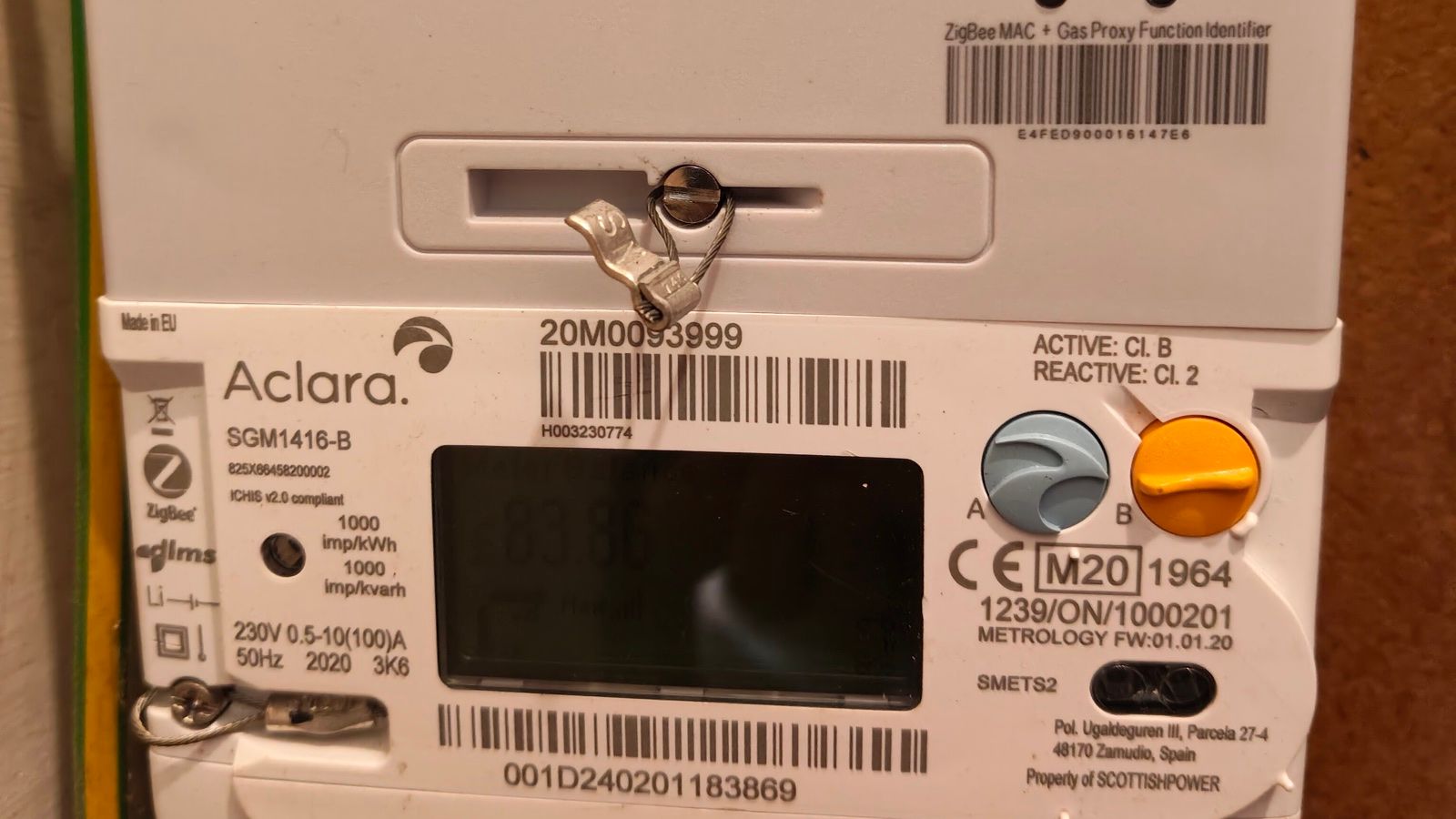
Energy bills tipped to rise 26% in January. What it means for your first flat
Why it hits youIf you pay your own gas and electricity, in a first flat, a shared house or with a meter you top up, this lands on you in the coldest months. A £2,166 yearly bill works out at about £180 a month for a typical home, around £37 a month more than now. If you rent, you can usually shop around for a better deal yourself, unless your landlord pays the energy company and manages the account. Nothing is final until Ofgem announces the real cap on 25 November.
Energy bills in Great Britain are forecast to jump by 26% in January, to £2,166 a year for a typical home. That's £443 more than now. The forecast comes from Cornwall Insight, a leading energy research firm. It's the last big prediction before the regulator, Ofgem, sets the official price cap next Wednesday. The main reason is gas: prices rose through October because of the war in the Middle East and worries about Europe's gas stores. The government points to £100 payments for 20 million homes in January. Charities say that's nowhere near enough.
The Facts
What everyone agrees on
Before anyone spins it. Every one of these is checkable.
-
Cornwall Insight forecasts the energy price cap in Great Britain will rise by 26% from January to £2,166 a year for a typical household, adding £443 to the average dual-fuel bill. The Guardian ↗
-
Ofgem, the energy regulator, will announce the official price cap for January to March on 25 November. LBC ↗
-
In late September, Cornwall Insight had predicted a smaller 16% rise to £1,999. The forecast went up after gas prices rose through October because of escalating violence in the Middle East and fears over Europe's gas storage levels. The Guardian ↗
-
Cornwall Insight's forecast puts electricity at 32.54p per kWh with a 56p daily standing charge, and gas at 10.90p per kWh with a 31p daily standing charge. Cornwall Insight ↗
-
The price cap is the most a supplier can charge per unit of energy plus the standing charge. It does not limit your total bill, and it doesn't protect people on fixed tariffs, business contracts, heat networks or heating oil. Ofgem ↗
-
The government's one-off £100 household energy payment, for homes in council tax bands A to D in England, is not included in the forecast because it is paid outside the price cap. LBC ↗
-
UK inflation rose to 3.6% in October, up from 3.5% in September, with fuel prices the main contributor. The Guardian ↗
-
Around 11 million households are on fixed-rate tariffs, so their prices are not affected by changes to the cap. The Mirror ↗
Every Side · 1 of 3
The government
“Access to energy is an everyday essential and not a luxury”
That's Energy Secretary Miatta Fahnbulleh. She said: “I know that the price of energy bills this winter weighs heavily on struggling families up and down the country.” She pointed to help already promised: “From January, up to 20 million households will receive £100 towards their energy costs. We have also cut VAT from electricity bills to help lower costs, and around six million low-income households will receive the £150 Warm Home Discount on top of this.” She added: “Affordability is my number one priority, and I will continue driving towards cheap, clean power.” The Treasury blames events abroad. Emma Reynolds, Chief Secretary to the Treasury, said: “The conflict in the Middle East and Russia's illegal invasion of Ukraine have pushed up costs around the world.” She said the Budget “started the long-term action needed to get energy costs down for good, including an end to levies on household bills, scrapping standing charges and ensuring Britain is better protected from global shocks in the future.” Chancellor John Healey has also announced that gas standing charges, the fixed daily fee, will be scrapped in England, Scotland and Wales.
- Miatta Fahnbulleh, Energy Secretary
- Emma Reynolds, Chief Secretary to the Treasury
- John Healey, Chancellor
Side labels are our editorial calls for now. How we'll rate lean
Every Side · 2 of 3
What it means for you
About £37 a month more for a typical home, unless you switch or fix
The price cap limits the price per unit of energy and the daily standing charge. It does not limit your total bill, so the more you use, the more you pay. Cornwall Insight expects electricity to go from 26.32p to 32.54p per unit (kWh), and gas from 7.97p to 10.90p. Craig Lowrey of Cornwall Insight said: “The timing could hardly be worse, with colder weather in January pushing up energy use and households already dealing with the cost-of-living crisis.” He said the £100 payment and VAT cut will be welcomed, but “this support can only chip away at the edges of a bill that continues to be pushed up by events in the Middle East.” Can you dodge it? The cap only protects people on standard variable tariffs. Comparison site Uswitch says some fixed deals work out up to £407 below the forecast cap, though a fix locks in the price per unit, not your bill, and some have exit fees of £25 to £100. Renting? The Guardian's guide says you can usually switch “unless you pay the landlord for your gas and electricity and they manage the accounts”. On a prepayment meter, you can't switch if you owe more than £500. Energy UK, which represents suppliers, warned in October that “last-minute emergency interventions run the risk of being badly targeted and costing us all more.”
- Craig Lowrey, Cornwall Insight
- Ofgem
- Uswitch (via the Guardian)
- Dhara Vyas, Energy UK
Side labels are our editorial calls for now. How we'll rate lean
Every Side · 3 of 3
Charities, campaigners and the opposition
“Huddling in bed to stay warm”: the help isn't enough
Adam Scorer of the charity National Energy Action said bills would be “higher than at the peak of the 2023 energy crisis”, warning this “will leave low-income and vulnerable people and families simply unable to heat their homes, huddling in bed to stay warm, cutting back on other essentials and falling deeper into energy debt.” Simon Francis of the End Fuel Poverty Coalition said: “Households will be aghast at having to find more money for their energy bills in the depths of winter while the energy industry has posted £143 billion in UK profits since 2020.” He wants a way for “doctors, social workers and debt advisers” to get struggling households extra help. Age UK's Caroline Abrahams called the Budget help “welcome but simply does not match the scale of the challenge.” The Resolution Foundation think tank said the Budget's help was poorly targeted, “a complete failure to target help at those who need it most”. Friends of the Earth's Mike Childs said: “The only people who will be celebrating today's news are the fossil fuel giants, who are laughing all the way to the bank.” From the right, Conservative shadow energy secretary Claire Coutinho said in August, when the October rise was announced: “Labour promised to cut energy bills by £300, but they have gone up by nearly £400 instead.” She wants to scrap “Government taxes and levies on bills”.
- Adam Scorer, National Energy Action
- Simon Francis, End Fuel Poverty Coalition
- Caroline Abrahams, Age UK
- Ruth Curtice, Resolution Foundation
- Mike Childs, Friends of the Earth
- Claire Coutinho, Conservative shadow energy secretary
Side labels are our editorial calls for now. How we'll rate lean
The Blindspot · what the headlines skip
The government says less about who misses the £100
Ministers talk up the £100 payment. But it goes by council tax band, the same approach used in 2022, and the End Fuel Poverty Coalition says by the Treasury's own estimate about one in six fuel-stressed households in England won't get it. GB News points out that £100 covers less than a quarter of the forecast £443 rise.
The Blindspot · what the headlines skip
Calls for more help say less about cost and targeting
Campaigners want emergency support now. But the Resolution Foundation found the Budget's help already gave the richest half of households almost as much as the poorest half (£144 against £158), and Energy UK warns last-minute help risks being “badly targeted and costing us all more”. Better targeting, not just more money, is the hard part.
The Blindspot · what the headlines skip
The “£2,166” headline isn't your bill
The headline figure is for a typical home using a set amount of energy, paying by direct debit. The cap only lasts for January to March before it changes again, and it limits prices per unit, not what you pay in total. Use more, pay more. And it doesn't cover the 11 million or so households already on fixed deals.
Your Call
- The government: not yet
- What it means for you: not yet
- Charities, campaigners and the opposition: not yet
Only you can see this. It's saved on this device and never sent anywhere.
Receipts
Every source, one tap away
Don't take our word for it. This is everything the breakdown is built on.
By No Glaze News · published