Topic
Work & economy
4 stories, every side of each

Tax cuts and cash for firms that hire under-25s: inside Milburn's jobs plan
Almost a million 16 to 24-year-olds are not in education, employment or training. Milburn says getting that number down will take ten years and billions of pounds. Most of the argument so far has been about cutting benefits. This part is about the jobs: who pays to create them, what you'd be offered, and what happens if you say no.
- Work & economy
- Young people
- Politics
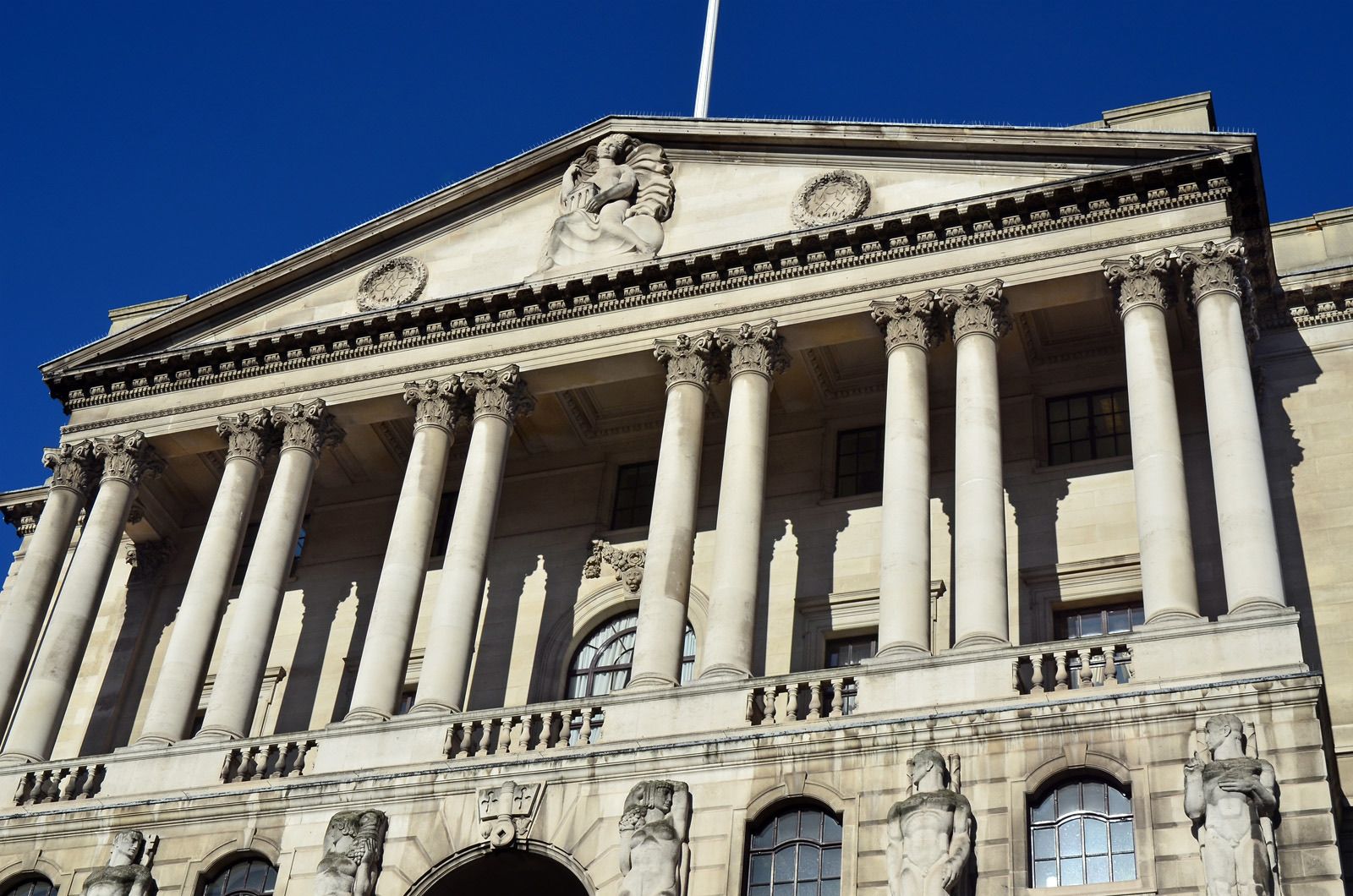
Young people are paying for a ‘low-gear economy’, says Bank of England deputy
If you're 16 to 24 and looking for your first job, this is about you. The Bank says the shops, cafés and pubs that usually give young people a first start are the places where job adverts have dropped most. Almost a million young people are now not in work, education or training. What the government does after next week's Milburn review will shape the help, and the benefit rules, that young people get.
- Work & economy
- Young people
- Money
Labour promised 18 to 20-year-olds the full adult minimum wage. The Chancellor won't say when
From April, someone aged 20 will be legally allowed to earn £1.94 an hour less than a 21-year-old doing the same job. Over a 30-hour week, that's about £58. The big question is whether faster pay rises for young people help them, or make firms less likely to hire them in the first place.
- Money
- Work & economy
- Young people

BP's profits nearly quadrupled to an 18-year high, while petrol is 40p a litre dearer than before the Iran war
The same squeeze that's making BP rich is what you pay at the pump: petrol has gone from about £1.33 a litre before the war to about £1.73. Energy bills are forecast to jump again in January. The government decided this week not to add a new windfall tax on oil firms, so the argument over who should pay is far from over.
- Money
- Climate
- Work & economy
Other topics
- Young people
- Money
- Your rights
- Culture
- Politics
- UK politics
- Tech & Online
- Jobs
- Education
- Cost of living
- Football
- Film & TV
- The law
- AI
- Autumn Budget
- Climate
- Europe
- Health
- Elections
- England
- Music
- Online safety
- Social media
- Big Tech
- Crime & justice
- Gaming
- World
- Gen Z
- Housing
- Protests
- Science
- TV & streaming
- US politics
- AI & tech
- Anime
- Apple
- Ballon d'Or
- Carabao Cup
- Crypto
- Energy
- F1
- France
- Gadgets
- History
- Immigration
- Israel
- Manchester United
- Middle East
- Phones
- Premier League
- Racism in sport
- Sport
- Sport records
- Tech