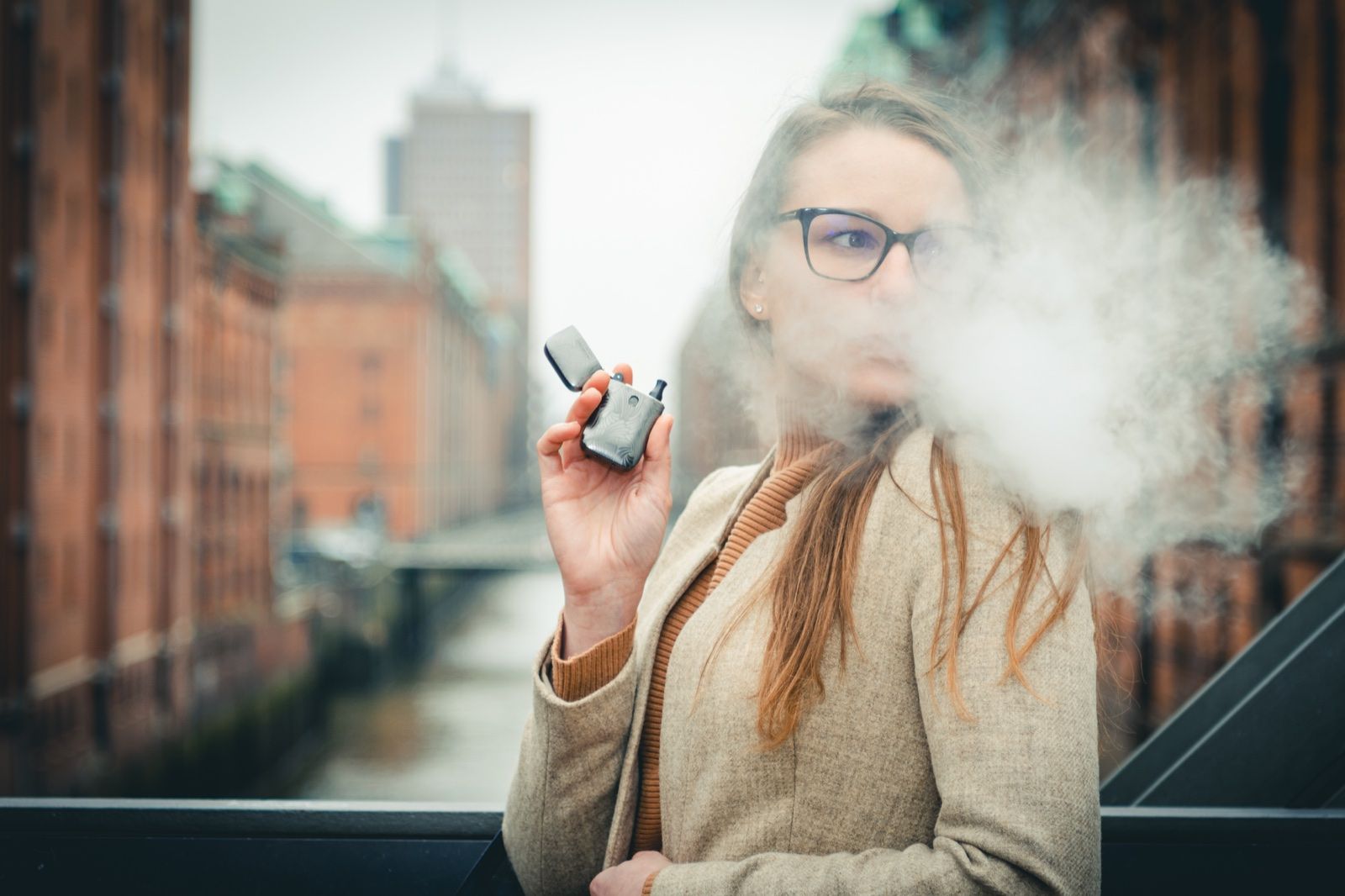
Small US study links vaping to weaker lungs, but experts say it can't prove it
Why it hits youAround 5.4 million people aged 16 and over in Britain vape, and about 1.1 million 11 to 17-year-olds have tried it. Headlines this week said vaping “weakens the lungs”. The study is real, but it's a small pilot, the first step before a bigger study. It doesn't change the official UK advice: vaping is far less harmful than smoking, but it isn't risk-free, and if you've never smoked you shouldn't start.
Researchers in Florida tested the lungs of 22 young adults who vape, then tested them again about a year later. They found the amount of air people could blow out in one second had dropped, and say vaping might raise the risk of a serious lung disease called COPD. UK experts who weren't involved say the study is too small and has no comparison group, so it can't show that vaping caused the change.
The Facts
What everyone agrees on
Before anyone spins it. Every one of these is checkable.
-
The study, “Prolonged effect of e-cigarette use on pulmonary function: A Pilot Study”, was published in the journal Tobacco Control on 10 November 2026. In it, researchers measured lung function in 22 people who vape, first at the start and again about a year later. Science Media Centre ↗
-
The researchers are at Florida International University in the US. The 22 e-cigarette users were aged 21 to 35. The tests measured FEV1 (how much air you can blow out in one second), forced vital capacity (the total amount you can blow out after a deep breath) and the ratio of the two. The Independent ↗
-
When the tests were repeated around a year later, the amount of air people could blow out in one second had fallen significantly. The researchers could not be certain that the bigger declines in heavier vapers were more than chance, and say larger studies are needed. Daily Mail ↗
-
Compared with people who vaped under four times a day, vaping five to nine times a day was linked to a 100ml bigger fall in FEV1, 10 to 29 times to 190ml, and 30 or more times to 240ml. The researchers acknowledged the small sample size and the lack of a comparison group. The Independent ↗
-
About 5.4 million people aged 16 and over in England, Scotland and Wales (9.9%) vaped daily or occasionally in 2025, according to the Office for National Statistics. About 1.1 million of them had never smoked. The Guardian ↗
-
Around 1.1 million 11 to 17-year-olds in Britain (19%) have tried vaping and about 370,000 (6%) vape now, according to ASH's 2026 YouGov survey. ASH ↗
-
Disposable vapes were banned from 1 June 2025. In 2026, 13% of 11 to 17-year-olds who vape said they mainly use disposables, down from 42% in 2025 before the ban. ASH ↗
-
Since 29 October it has been illegal across the UK to sell any vape, including nicotine-free ones, to under-18s. It's part of the Tobacco and Vapes Act, which became law on 29 April 2026. GOV.UK ↗
Every Side · 1 of 3
The researchers and worried doctors
“…preliminary evidence” of lasting changes to the lungs
Study author Dr Wasim Maziak of Florida International University, wrote: “As the e-cigarette epidemic gains more years, it is important to assess its long-term health effects.” He said the results provide “preliminary evidence of the potential of chronic e-cigarette use to induce persistent changes in respiratory function”, and called the drop a “clinically significant change in lung function”. The team warns the habit might raise the risk of COPD later in life. London lung specialist Dr Aran Singanayagam told the Daily Mail: “There's lots of emerging evidence that vaping can be damaging to the body.” In August, children's doctors at the Royal College of Paediatrics and Child Health reviewed 81 studies. Co-author Professor Will Carroll said: “Vaping should not be seen as a harmless part of growing up.”
- Dr Wasim Maziak, Florida International University
- Dr Aran Singanayagam, respiratory consultant
- Prof Will Carroll, RCPCH (August)
Side labels are our editorial calls for now. How we'll rate lean
Every Side · 2 of 3
What it means for you
The advice hasn't moved: don't start, but don't swap back to cigarettes
One small study isn't enough to change health advice, and the UK's hasn't changed. The NHS says: “Vaping is not completely risk-free, but it poses a small fraction of the risk of smoking cigarettes. The long-term risks of vaping are not yet clear.” It says vapes “are not recommended for non-smokers”. Cancer Research UK puts it simply: “If you have never smoked, you shouldn't use e-cigarettes.” If you smoke, both say switching to vaping can help you quit, and the most important thing is to stop smoking completely. Cancer Research UK also says to buy legal vapes from a reputable shop. It says: “There is no good evidence that legal e-cigarettes in the UK cause lung disease.”
- NHS
- Cancer Research UK
Side labels are our editorial calls for now. How we'll rate lean
Every Side · 3 of 3
Independent experts and harm-reduction groups
“…a small-scale pilot study of 22 people”
Dr Katie East of Brighton and Sussex Medical School said: “This is a small-scale pilot study of 22 people who had vaped in the past 30 days, with no control group.” She said the link between vaping more and losing more lung function “was not statistically significant”, meaning it could be down to chance. Professor Lion Shahab of UCL said the size of the drop is “hard to explain biologically”: if it were all down to vaping, it would be more than twice the yearly decline seen in smokers in a big earlier study. He said: “Taken together, these limitations make it hard to draw firm conclusions about the impact of vaping on lung health.” But he added: “It is still important to investigate, because substances we inhale can affect the lungs.” The charity Action on Smoking and Health (ASH) says vaping “is substantially less harmful than smoking and remains one of the most effective tools for helping people quit smoking.” The vape industry body UKVIA said last year: “Vapes are age-gated products – for adults only! No one who is underage should be using them.”
- Dr Katie East, Brighton and Sussex Medical School
- Prof Lion Shahab, UCL
- Hazel Cheeseman, ASH
- John Dunne, UKVIA (2025)
Side labels are our editorial calls for now. How we'll rate lean
The Blindspot · what the headlines skip
The warnings skip what the study didn't find
COPD is checked with the ratio between two breathing measures, and Professor Lion Shahab points out the study “found no clear change in the FEV₁/FVC ratio”. People in the study didn't have to be lifelong non-smokers: they could have smoked up to five cigarettes in the month before. And after a standard statistical check for testing lots of things at once, he says neither of the two main FEV1 findings stayed statistically significant.
The Blindspot · what the headlines skip
“Safer than smoking” matters less if you never smoked
The harm-reduction case is about smokers switching. But official figures show about 1.1 million people in Britain who never smoked now vape, almost double the share in 2021. And a review of 81 studies by children's doctors, published in August, found “consistent evidence” that young people who vape report more cough, wheeze and other breathing symptoms than those who don't, though those studies were snapshots too.
The Blindspot · what the headlines skip
Nobody has the long-term answer yet
Both sides agree the long-term risks aren't known. The NHS says: “The long-term risks of vaping are not yet clear.” Cancer Research UK says vapes “haven't been around for long enough to be sure”. That's why the Department of Health launched a ten-year study of the effects of vaping on young people's health in 2025, which even the vape industry welcomed.
Your Call
- The researchers and worried doctors: not yet
- What it means for you: not yet
- Independent experts and harm-reduction groups: not yet
Only you can see this. It's saved on this device and never sent anywhere.
Receipts
Every source, one tap away
Don't take our word for it. This is everything the breakdown is built on.
By No Glaze News · published