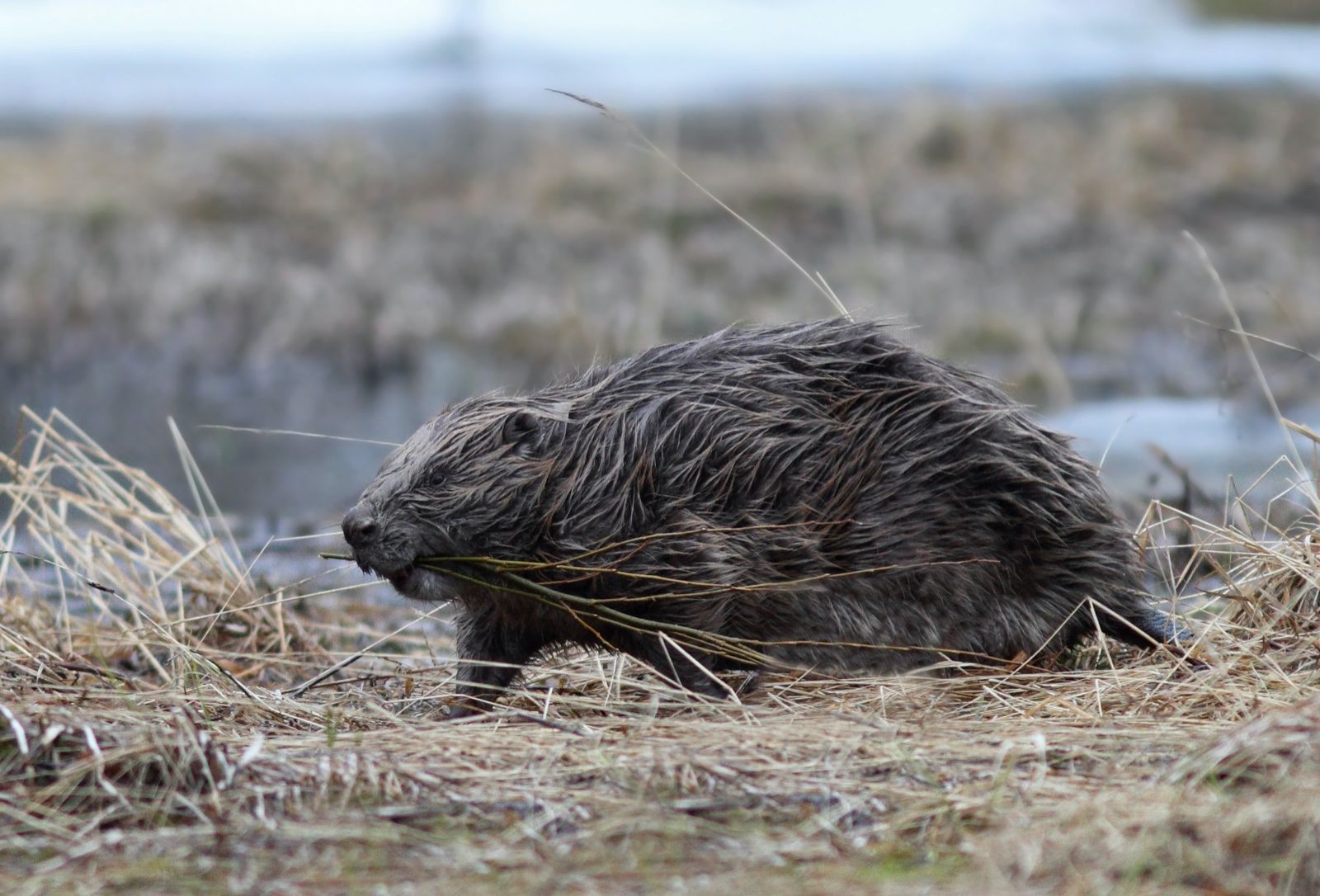
Beavers are back at Loch Ness after 500 years. Not everyone is cheering
Why it hits youBeavers are the big test case for rewilding in Britain: bringing back animals that humans wiped out. They can create wetlands and help wildlife, but they also chew trees and flood land that people farm. How Scotland handles that trade-off at Loch Ness is likely to shape how bold the UK gets with other returning species.
A family of six beavers has been let loose near Loch Ness, around 500 years after the animals were last recorded there. The charity Trees for Life released them on Wednesday on its rewilding estate in Glenmoriston, under a licence from Scotland's nature agency, NatureScot. Up to 15 families could follow over three years. Conservationists call it one of Scotland’s “biggest rewilding success stories”. Farmers and fishing groups have long warned that beaver dams can flood fields and block salmon.
The Facts
What everyone agrees on
Before anyone spins it. Every one of these is checkable.
-
A family of six beavers was released on 4 November at a small loch on Dundreggan, Trees for Life's 10,000-acre rewilding estate in Glenmoriston, in the Loch Ness catchment. Trees for Life ↗
-
The family is a mother, two two-year-old juveniles and three kits born this year. They were captured in Tayside, where they had been causing difficulties for farmers. The Independent ↗
-
NatureScot granted Trees for Life and Beaver Trust a licence on 30 October to release up to 15 beaver families over three years in the River Ness catchment. NatureScot ↗
-
More than 73% of people who responded to the consultation supported the plan, but some land and fisheries managers and residents raised concerns. NatureScot ↗
-
Beavers released under the licence will be taken from areas where they are damaging prime farmland and other fixes haven't worked, and will be health-checked first. NatureScot ↗
-
The last widely cited historical record of beavers in Scotland, from 1526–27, places them around Loch Ness. Beavers were hunted to extinction in Scotland and officially reintroduced in 2009. PA (via Irish News) ↗
-
Beavers became a protected species in Scotland in 2019. The Ferret ↗
-
NatureScot's annual report (as reported in 2025) said 102 beavers had been trapped and removed from 19 “conflict sites”, 23 were killed under licence and 119 dams were dismantled under licence. Scottish Daily Express ↗
Every Side · 1 of 3
Conservation charities
“A very beautiful thing to see”
That's how Steve Micklewright, chief executive of Trees for Life, described watching the family swim off. “Everyone has found this quite emotional,” he said. Alan McDonnell, the charity's head of nature restoration, said beavers bring “the potential for new wetlands, more wildlife, and healthier rivers”, calling them “one of Scotland’s biggest rewilding success stories”. The charities say beaver dams slow water down, trap mud and can reduce flooding further downstream. Dr Roisin Campbell-Palmer of Beaver Trust said the woodland at the site offers “real opportunities for the animals to thrive”. Supporters also point to eco-tourism around the loch.
- Steve Micklewright, Trees for Life
- Alan McDonnell, Trees for Life
- Dr Roisin Campbell-Palmer, Beaver Trust
Side labels are our editorial calls for now. How we'll rate lean
Every Side · 2 of 3
Farmers and fishing groups
Beavers in the wrong place cost real money
NFU Scotland, which represents farmers, hasn't commented on Loch Ness specifically, but it has warned for years about beaver damage. Its president Martin Kennedy said in 2023: “Beavers in the wrong areas are proven to cause significant and costly agricultural damage”. He said shooting problem beavers under licence “must remain an option” when trapping fails. In 2022 he said one farmer lost £25,000 of vegetables after beaver dams flooded his land. Fishing groups worry about salmon. A 2015 expert report warned that dams on small rivers “may also, under some circumstances, create barriers to migratory fish”. NatureScot says land and fisheries managers and some residents raised concerns about the Loch Ness plan.
- Martin Kennedy, NFU Scotland
- Beaver Salmonid Working Group (2015)
- Land and fisheries managers (via NatureScot)
Side labels are our editorial calls for now. How we'll rate lean
Every Side · 3 of 3
Fun facts and what happens next
Watch out, Nessie: there's a new kid on the loch
The last widely cited record of beavers in Scotland, from 1526–27, puts them “Beside Lochnes”, alongside wild horses, martens, weasels and foxes. These six are a mum, two two-year-olds and three kits born this year. They were trapped in Tayside, where they were causing problems for farmers, and health-checked at Five Sisters Zoo near West Calder. NatureScot's Robbie Kernahan said any conflicts “can be resolved” with monitoring and its mitigation scheme. New release sites will only be named after the beavers are in, so they can settle without being disturbed. Trees for Life plans guided tours once they've settled. One wildlife site's advice: if you think you've seen Nessie, “make sure to double check it isn’t a log in the jaws of the new kid on the loch.”
- NatureScot
- Trees for Life
- Good News Network
Side labels are our editorial calls for now. How we'll rate lean
The Blindspot · what the headlines skip
Supporters skip why these beavers needed a new home
The Loch Ness family were trapped in Tayside because they were causing problems for farmers there. Beavers in Scotland are still sometimes shot under licence when they clash with farming.
The Blindspot · what the headlines skip
Critics skip why this spot was chosen
NatureScot picked the Ness catchment in 2022 as one of the most suitable in Scotland, and its assessment found the area at low risk of harm from beaver activity. The beavers being moved here come from places where they were damaging prime farmland, so the plan also takes pressure off farmers elsewhere.
The Blindspot · what the headlines skip
The salmon question cuts both ways
The 2015 expert report found beavers could harm salmon and trout by blocking rivers, but could also help them by creating more food and shelter. It said a clear management plan was the key.
Your Call
- Conservation charities: not yet
- Farmers and fishing groups: not yet
- Fun facts and what happens next: not yet
Only you can see this. It's saved on this device and never sent anywhere.
Receipts
Every source, one tap away
Don't take our word for it. This is everything the breakdown is built on.
By No Glaze News · published