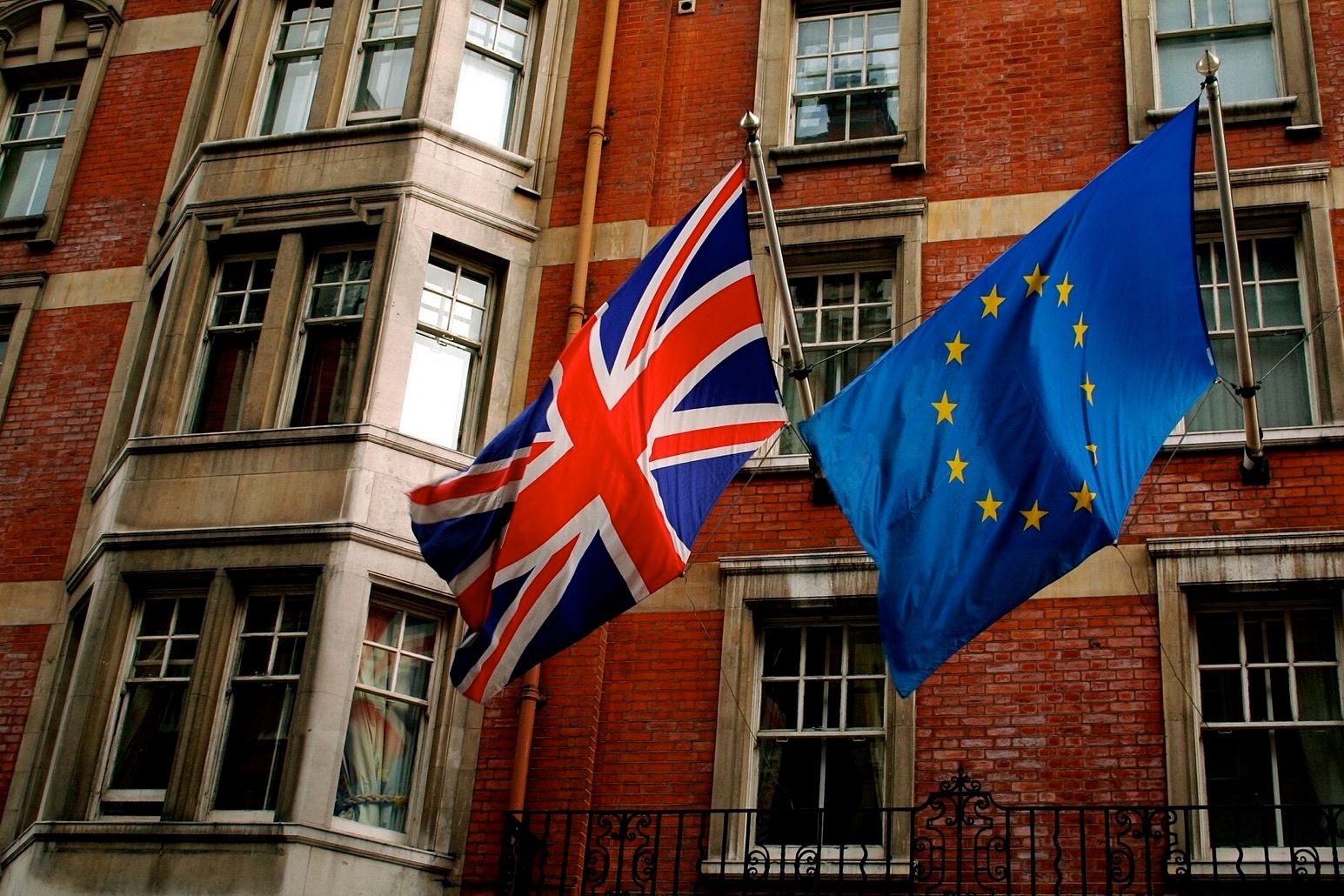
The UK could pay up to £450m a year so EU students pay the same uni fees as you
Why it hits youIf you're applying to uni, more EU students paying home fees could mean more competition for the cheaper home places. Universities say they'd lose income from EU students who now pay higher fees. And it's tied up with other things that do directly affect you: a youth scheme letting young people live and work across Europe, and the UK rejoining the Erasmus+ exchange programme in 2027.
Since Brexit, students from EU countries have paid international fees at UK universities, which can be several times what British students pay. The EU wants that changed as part of a new deal. The Guardian reports ministers are willing to spend up to £450m a year making it happen, but only if the UK gets into a European trade scheme in return. Supporters say it's part of rebuilding ties with Europe. Universities and the Conservatives say it would cost them money and could squeeze British students out.
The Facts
What everyone agrees on
Before anyone spins it. Every one of these is checkable.
-
The UK government is willing to spend up to £450m a year so EU students can pay home fees, if the UK can join the EU's Made in Europe scheme. A government official called the figure “speculative”, and another source said the real cost was likely to be lower. The Guardian ↗
-
EU officials want their students to pay just over £9,000 a year instead of international fees, which can rise above £60,000. A UK–EU summit is due on 20 November. The Guardian ↗
-
The two sides have largely agreed a youth mobility scheme. Reports suggest up to 80,000 young Europeans a year could come to Britain to work, live and study; EU countries wanted 100,000 to 150,000. The Guardian ↗
-
Home tuition fees in England are capped at £9,790 in 2026/27, rising to £10,050 in 2027/28. GOV.UK ↗
-
There were 63,600 EU students at UK universities in 2024-25, 16% fewer than the year before. Times Higher Education ↗
-
The UK rejoins Erasmus+ in 2027. The government says over 100,000 people are expected to benefit in the first year, including apprentices and school groups. GOV.UK ↗
-
Erasmus+ opportunities for UK participants become available in the second half of 2027 at the earliest, and you apply through your school, college, uni or youth organisation. European Commission ↗
-
In a 2024 YouGov poll, 71% supported a deal letting British students study in Europe on the same terms as Europeans, with EU students paying UK home fees in return. 14% were against. What UK Thinks ↗
Every Side · 1 of 3
The government and pro-EU voices
Give a little on fees to get something big for British industry
A source told the Guardian: “We are willing to give the Europeans what they want on fees, but we will have to get something significant in return.” That something is entry to the EU's “Made in Europe” scheme, which favours European manufacturers for public contracts. UK carmakers fear being left out. Minister Hamish Falconer warned that splitting Europe's industries would mean “a weaker Europe”. Rachel Reeves said today that “Brexit has made us poorer, weaker and less secure.” The government says the deal will create “more opportunities for young people across the UK”.
- UK government
- Hamish Falconer, EU relations minister
- Rachel Reeves
Side labels are our editorial calls for now. How we'll rate lean
Every Side · 2 of 3
Universities and the Conservatives
“Not good news for universities”
Universities fear losing money from EU students who now pay higher fees. The Russell Group of leading universities said: “a deal that costs the sector over £500m is not good news for universities or for the UK as a whole.” Universities UK's Vivienne Stern said it “would just make a very difficult situation worse”. One vice-chancellor told her they would cut the number of British students they took. Conservative MP Laura Trott called cheaper fees for EU students “madness”, and Lord Redwood complained the EU wants to “charge us for more EU young people coming to the UK”.
- Russell Group
- Universities UK
- Conservatives
Side labels are our editorial calls for now. How we'll rate lean
Every Side · 3 of 3
What it means for you
Nothing changes yet, and Erasmus+ is coming back
Nothing is agreed. Both sides meet at a summit on 20 November. In England, home fees are £9,790 this year and £10,050 from 2027. Separately, the UK is rejoining Erasmus+, which funds study, training and work placements in Europe, from 2027. You apply through your uni, college or youth organisation, and placements start in the second half of 2027 at the earliest. We found no source saying British students would get cheaper fees at EU universities in return.
- GOV.UK
- European Commission
Side labels are our editorial calls for now. How we'll rate lean
The Blindspot · what the headlines skip
Supporters skip who pays
If the government covers the gap, the £450m a year comes from taxpayers. If it doesn't, universities say they'll take the hit, and one vice-chancellor said they'd respond by taking fewer British students.
The Blindspot · what the headlines skip
Critics skip that the polls back a two-way deal
When people were asked about a swap, British students studying in Europe on European terms and EU students paying home fees here, most said yes. That's not quite the deal on the table, which is about what EU students pay here.
The Blindspot · what the headlines skip
Not every uni sees a threat
Some academics think cheaper fees could help universities that struggle to fill places, by bringing more EU students back.
Your Call
- The government and pro-EU voices: not yet
- Universities and the Conservatives: not yet
- What it means for you: not yet
Only you can see this. It's saved on this device and never sent anywhere.
Receipts
Every source, one tap away
Don't take our word for it. This is everything the breakdown is built on.
By No Glaze News · published