The UK is banning social media for under-16s. Will it actually work?
Why it hits youIf you're under 16, this is a law about your actual life — what you can watch, post, and who can reach you. And it forces a bigger question on everyone: do age limits make the internet safer, or just push the risks somewhere harder to see?
From early 2027, under-16s are to be blocked from TikTok, Instagram, YouTube, Snapchat, Facebook and X. The government calls it a “line in the sand.” Critics call it unworkable — and aimed at the wrong target.
The Facts
What everyone agrees on
Before anyone spins it. Every one of these is checkable.
-
Prime Minister Keir Starmer announced the under-16 social media ban on Monday 15 June 2026. PBS NewsHour ↗
-
It is set to cover Snapchat, TikTok, YouTube, Instagram, Facebook and X — but not YouTube Kids, WhatsApp or Signal. PBS NewsHour ↗
-
The ban is due to come into force in spring 2027; Culture Secretary Lisa Nandy has said she expects March, though no exact date is confirmed. Smartphone Free Childhood ↗
-
Enforcement targets the platforms, not children: firms failing to take reasonable steps to exclude under-16s could face multimillion-pound fines. PBS NewsHour ↗
-
A government consultation drew 116,000 responses; ministers said more than 90% supported an under-16 ban. PBS NewsHour ↗
-
Experts have publicly warned the ban raises serious questions over effectiveness and enforcement. CNBC ↗
Every Side · 1 of 3
The case for the ban
A line in the sand to protect childhood
Supporters say the platforms have had years to make themselves safe for children and haven't. The design is addictive, the content can be harmful, and strangers can reach kids too easily. The government points to a consultation of 116,000 people in which, it says, more than 90% backed an under-16 ban. For campaigners — including parents who've lost children — anything less is letting tech firms mark their own homework.
- PM Keir Starmer (“not prepared to compromise on the safety and happiness of our children”)
- Smartphone Free Childhood
- Ellen Roome (bereaved parent)
- Most of the 116,000 consultation responses
Side labels are our editorial calls for now. How we'll rate lean
Every Side · 2 of 3
The case against
Easy to dodge, and it misses the real problem
Critics argue the ban is “far too easy to work around” and leaves the harmful algorithms untouched for everyone 16 and over. Enforcing it means age-checking all users, which raises privacy and ID concerns for adults too. Platforms warn that blanket bans push teens toward less-moderated corners of the internet and cut them off from genuine support networks.
- Molly Rose Foundation (Kate Edwards)
- Electronic Frontier Foundation
- Open Rights Group
- Defend Digital Me
- YouTube and Meta
Side labels are our editorial calls for now. How we'll rate lean
Every Side · 3 of 3
What the experts say
The evidence is mixed — enforcement is the hard part
Researchers note the evidence on social media's harm to young people is real but contested, and that the toughest question is enforcement, not intent. The UK says it will follow Australia's model and go further. Academics warn that policing devices is nearly impossible and could drive users to worse sites — and that a ban on access does nothing about the platform design that created the worries in the first place.
- Prof. Jon Crowcroft (Cambridge)
- Science Media Centre experts
- House of Commons Library
- CRIN
Side labels are our editorial calls for now. How we'll rate lean
The Blindspot · what the headlines skip
To check kids' ages, everyone has to prove theirs
A ban on under-16s only works if platforms verify age — which means adults handing over ID or face scans too. That's a privacy and data-security question for every user, and it's barely in the headlines.
The Blindspot · what the headlines skip
The addictive design stays — just for over-16s
The ban restricts access by age. It doesn't change the algorithms, infinite scroll or engagement-maximising design that campaigners blame for harm in the first place.
The Blindspot · what the headlines skip
Teens will route around it
VPNs and borrowed logins make age gates leaky, and platforms themselves warn a blanket ban can push young people to less-safe, less-moderated spaces rather than offline.
The Blindspot · what the headlines skip
The good stuff rarely gets counted
Social media also gives young people friendship, community, news and support — especially those who are isolated offline. A debate framed only around harm leaves that side of the ledger blank.
Your Call
- The case for the ban: not yet
- The case against: not yet
- What the experts say: not yet
Only you can see this. It's saved on this device and never sent anywhere.
Receipts
Every source, one tap away
Don't take our word for it. This is everything the breakdown is built on.
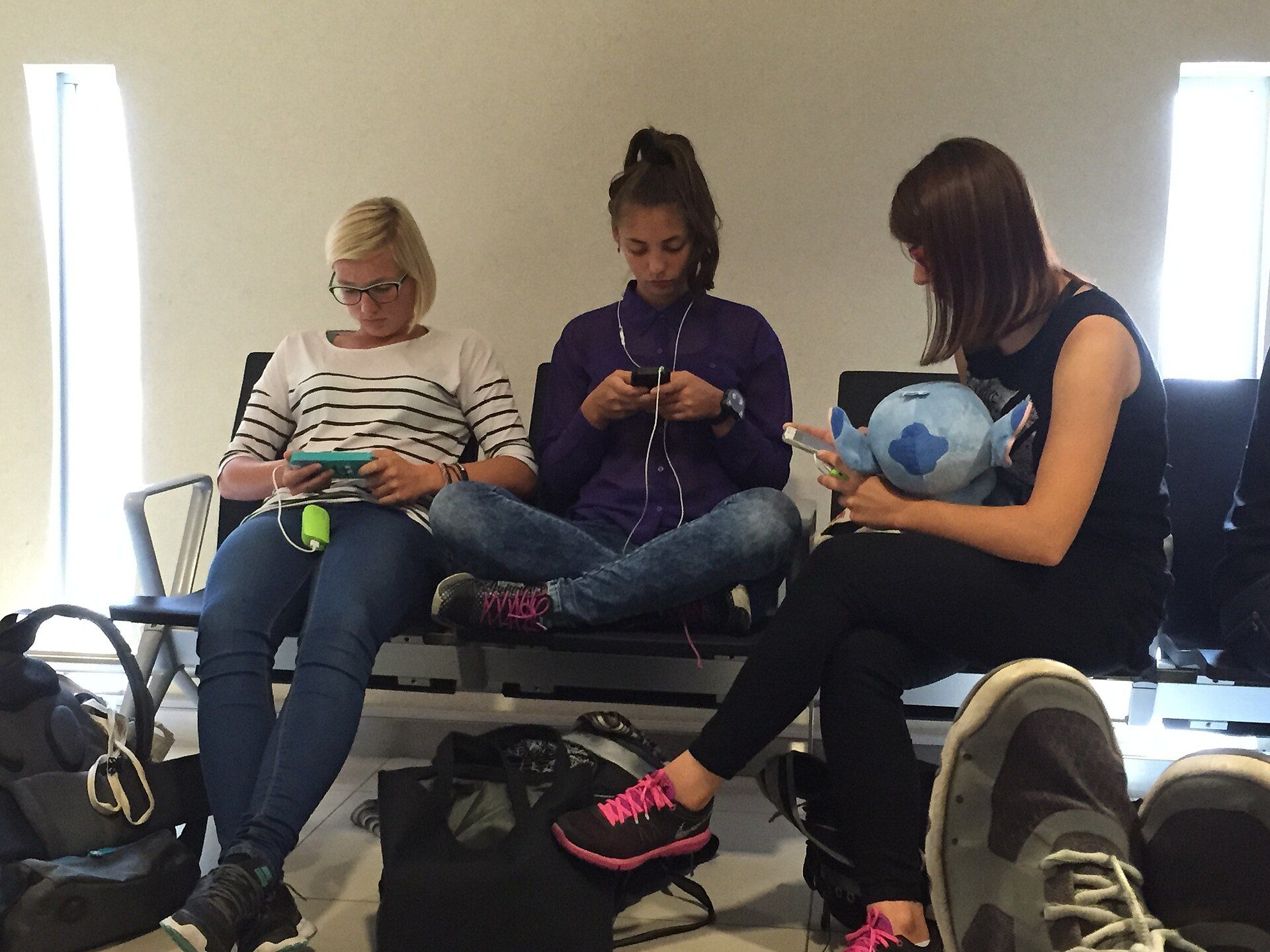
Hero image: File photo: Chris Olszewski / Wikimedia Commons, CC BY-SA 4.0 ↗
By No Glaze News · published
Next story Can Trump actually run for a third term?